Choosing Commercial Electrical Contractors

Choosing Commercial Electrical Contractors

When a breaker keeps tripping in a retail space, a panel is overdue for an upgrade, or a new build needs power planned the right way from day one, the contractor you hire matters. Commercial electrical contractors do more than install wiring. They help protect your property, keep operations moving, and make sure your electrical system can support how your business actually runs.

For business owners and property managers along the Alabama coast, that matters even more. Salt air, storm exposure, aging equipment, tenant turnover, and rising power demands all put stress on commercial systems. A quick fix may solve today’s issue, but if the larger system is undersized, outdated, or not code-ready, the problem usually comes back.

What commercial electrical contractors actually handle

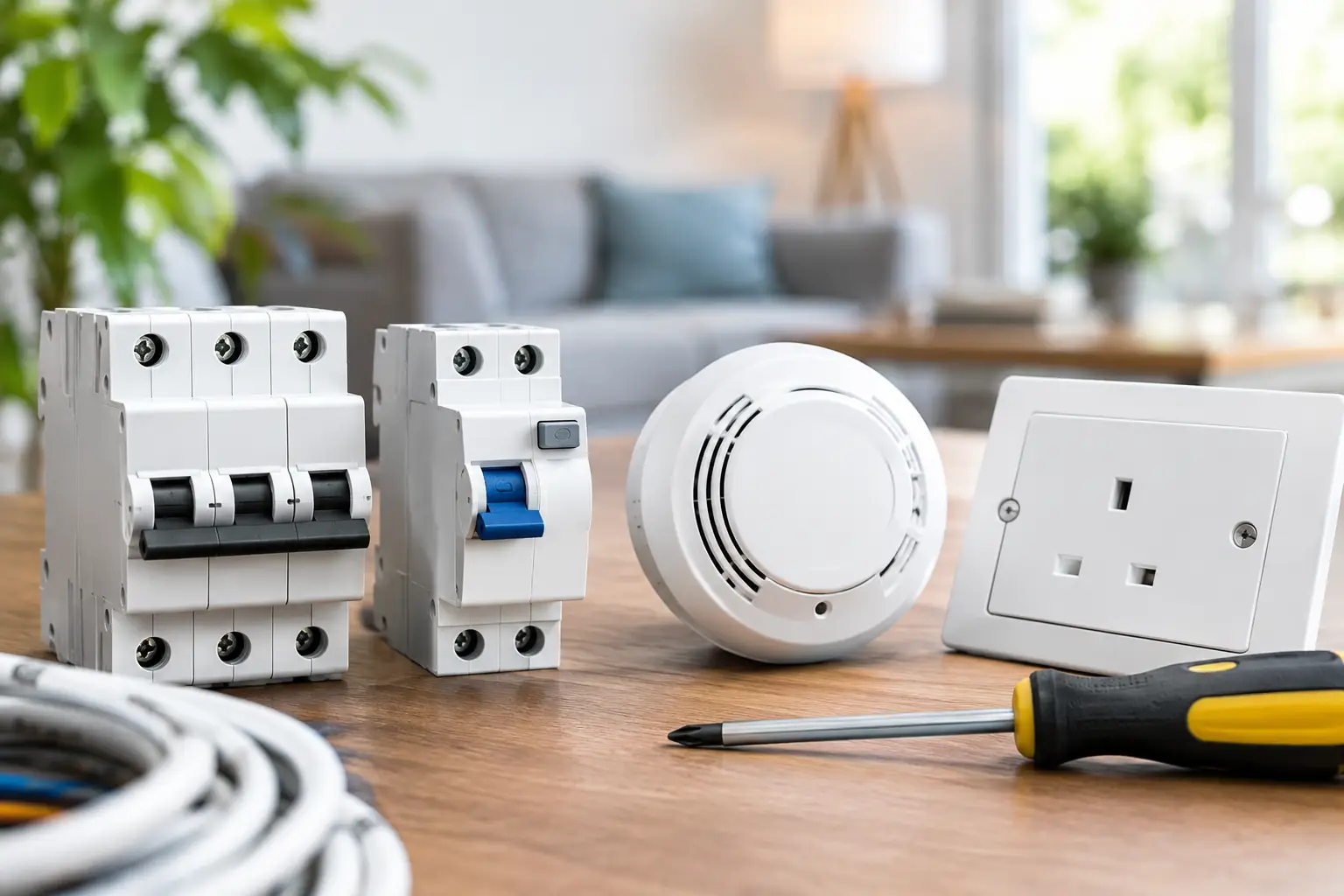
Commercial work is broader than many people expect. It can include troubleshooting power loss, replacing damaged equipment, upgrading service, installing dedicated circuits, improving lighting, adding surge protection, and preparing buildings for modern needs like EV charging or backup power.

It also often involves planning. In offices, restaurants, retail centers, condo properties, and mixed-use buildings, electrical decisions affect safety, uptime, operating costs, and future tenant needs. A contractor with commercial experience is looking at the whole picture – not just the immediate repair.

That matters during remodels and tenant improvements. New equipment loads, revised layouts, signage, HVAC changes, and code updates can all affect what your system needs. If those details are missed early, projects get delayed later.

Why experience in commercial properties matters

Residential and commercial electrical work are not the same. Commercial systems are often larger, more complex, and more tightly connected to business operations. A minor error in a home can be inconvenient. In a commercial setting, it can mean downtime, failed inspections, damaged equipment, or safety issues for staff and customers.

Experienced commercial electrical contractors understand how to work around operating hours, coordinate with other trades, and minimize disruption. They know that a repair in a storefront, restaurant, office, or condo common area is not just a technical task. It affects revenue, schedules, and occupant experience.

They also understand that not every property starts from the same place. Some buildings need a simple repair. Others need a phased upgrade because the electrical system has fallen behind current demand. The right contractor will tell you which is which instead of pushing a one-size-fits-all answer.

What to look for before you hire

The first thing to look for is licensing, certification, and a clear commitment to code-compliant work. That should be a baseline, not a bonus. Commercial electrical systems need to be installed and repaired correctly the first time because rework costs money and often interrupts business.

Response time matters too. If you manage a property or operate a business, electrical issues are rarely convenient. A contractor who communicates clearly, shows up when expected, and gives you a realistic timeline is far more valuable than one who gives a vague promise and disappears for days.

You should also pay attention to how they approach estimates and scope. Good commercial electrical contractors ask detailed questions about the building, usage, equipment load, access, and future plans. That is usually a sign they are trying to solve the right problem, not just price the most obvious one.

It is also worth asking whether they can support both immediate service calls and larger projects. Many property owners prefer one dependable contractor who can handle repairs, upgrades, inspections, design input, and expansion work over time.

Common commercial electrical needs in coastal Alabama

Along Gulf Shores, Orange Beach, and nearby areas, commercial buildings face a mix of routine and regional challenges. Weather exposure is part of the equation. Storms and surges can damage equipment, interrupt operations, and expose weak points in older systems.

That is one reason surge suppression and backup power planning come up often. Not every property needs the same level of protection, but many benefit from evaluating where outages or voltage issues could create major business problems.

Service upgrades are also common. A building that once supported basic lighting and office equipment may now need to handle larger HVAC demands, upgraded appliances, security systems, tenant improvements, or EV charging infrastructure. If the electrical service was sized for yesterday’s needs, today’s upgrades can strain the system.

Inspections and preventative repairs also matter in coastal environments. Corrosion, wear, and moisture exposure can affect components over time. Catching those issues early is usually less expensive than waiting for a shutdown or emergency repair.

When repairs are enough – and when they are not

A good contractor should be honest about whether a repair is the right move. In some cases, replacing a breaker, repairing a connection, or addressing a damaged component is all that is needed. In other cases, repeated issues are a sign of a larger system problem.

If lights flicker regularly, circuits are overloaded, panels are outdated, or key equipment lacks adequate dedicated power, patching one part may not solve the real issue. This is where commercial electrical contractors add value. They can identify whether the failure is isolated or whether the system needs a broader correction.

There is always a balance between short-term cost and long-term value. A lower-cost repair may look attractive today, but if it leads to repeat service calls, interrupted operations, or premature equipment failure, it may not be the cheaper option after all.

Planning for growth and modernization

Many business owners wait until electrical issues become urgent. That is understandable, but planned upgrades are usually easier to schedule and manage than emergency work. If you are renovating, expanding, replacing major equipment, or preparing a property for new tenants, electrical planning should happen early.

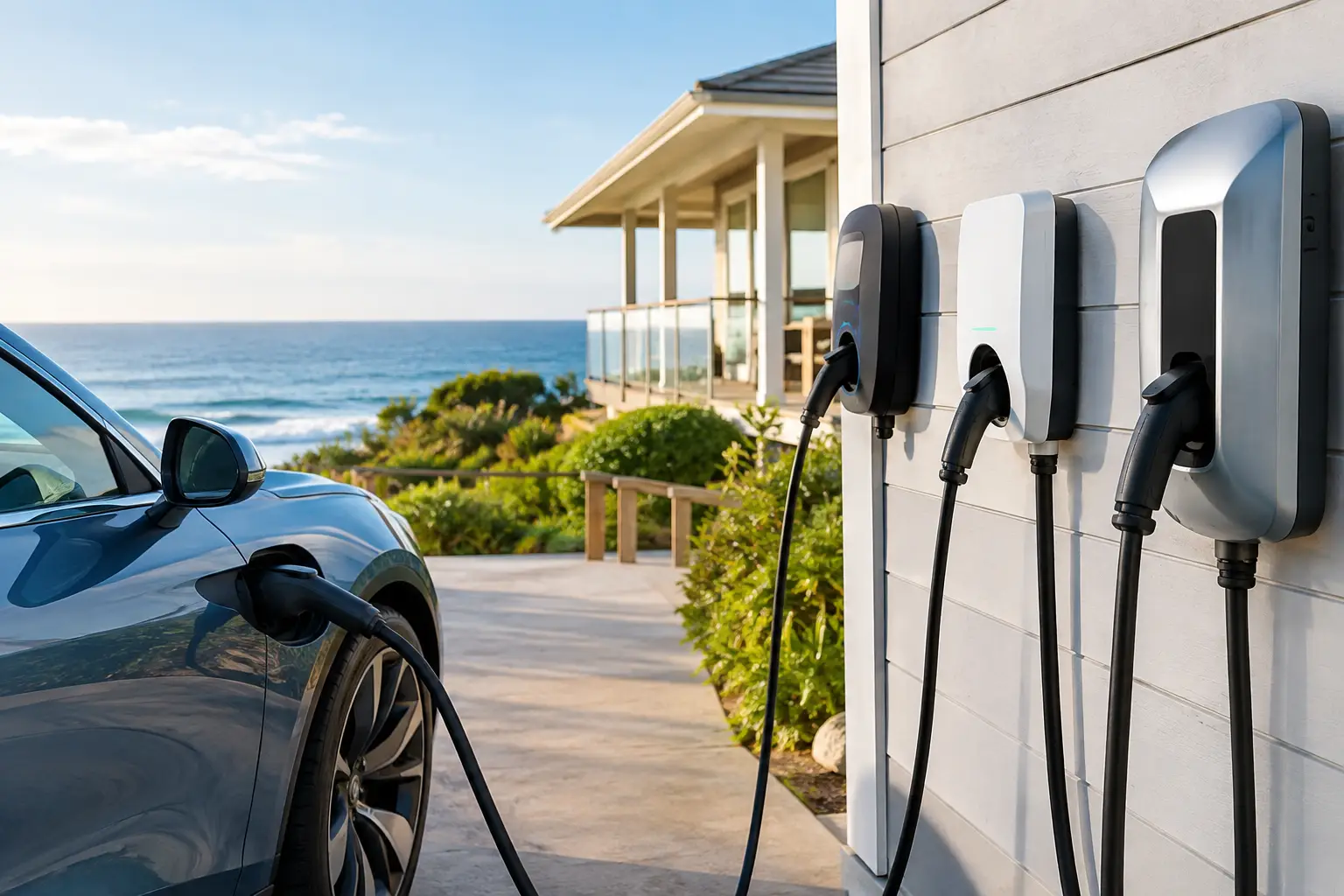
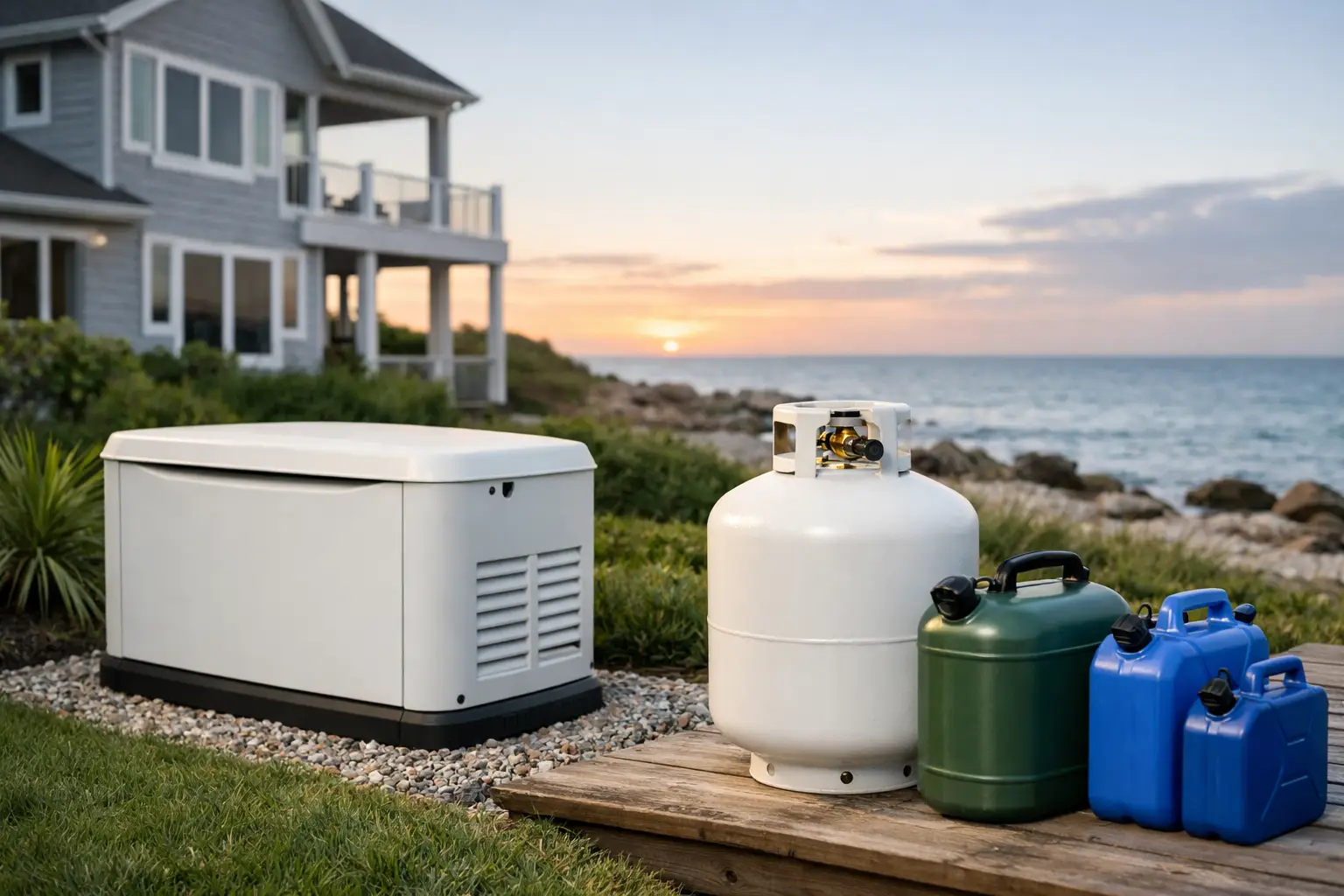
Modernization can take several forms. It might mean upgrading lighting for better efficiency and maintenance savings. It might mean adding EV charging to support employees, guests, or residents. It might mean generator installation for critical continuity or redesigning parts of the system to support changing occupancy needs.

These decisions are not only about adding capacity. They are also about making sure the work fits your property, budget, and operating goals. Sometimes the right answer is a full upgrade. Sometimes it is a phased plan that addresses the highest-risk items first and spreads costs over time.

The value of a contractor who can do more than basic installs

Some projects need more than field labor. They need design input, load planning, coordination, and a clear understanding of how one electrical decision affects the rest of the building. That is especially true for larger upgrades, renovations, and properties with multiple units or complex usage patterns.

Working with a full-service contractor can simplify that process. If the same team can handle troubleshooting, service upgrades, inspections, energy management solutions, and newer technologies like EV chargers, you spend less time coordinating between providers and more time moving the project forward.

For many local businesses and property owners, that kind of consistency matters. MNE Electric serves Gulf Shores, Orange Beach, and surrounding Baldwin County communities with that practical, start-to-finish approach.

Why communication matters as much as technical skill

Electrical work is technical, but the service experience should still be clear. You should know what the problem is, what the recommended fix is, what the timeline looks like, and whether there are other issues worth addressing now.

That does not mean every job needs a major overhaul. In fact, one of the best signs of a trustworthy contractor is restraint. They explain the trade-offs, point out what is urgent versus what can wait, and help you make informed decisions based on your property and budget.

For larger projects, financing can also make a difference. If a service upgrade, generator installation, or major improvement is needed, flexible payment options can help property owners move forward sooner instead of delaying necessary work.

A practical way to choose the right partner

If you are comparing contractors, focus on a few questions. Do they have real commercial experience? Are they responsive? Do they explain the scope clearly? Can they handle both immediate problems and longer-term improvements? And do they understand the demands of properties in your local area?

The best commercial electrical contractors are not just there to fix a wire and leave. They help you protect the building, support the people using it, and plan for what comes next. When you find a contractor who values safety, workmanship, and follow-through, you are not just solving an electrical issue. You are putting your property on firmer ground.

If your building has outgrown its electrical system or you are tired of dealing with repeat issues, the smartest next step is often a clear assessment from a qualified local professional. A well-powered property is easier to manage, safer to operate, and better prepared for whatever your business needs next.

What Causes Circuit Breaker Tripping?

What Causes Circuit Breaker Tripping?

A breaker that trips once during a storm or while running too many appliances might not seem like a big deal. But when the same breaker keeps shutting off power, it is usually telling you something useful about the condition of your electrical system. If you have been asking what causes circuit breaker tripping, the short answer is that the breaker is doing its job – stopping electrical flow when it detects a condition that could damage wiring, equipment, or create a fire risk.

What causes circuit breaker tripping most often?

In homes and commercial buildings, most breaker trips come back to a few common issues. The first is an overloaded circuit. This happens when more electrical demand is placed on a circuit than it was designed to handle. A bedroom circuit running a few lamps is one thing. That same circuit powering space heaters, gaming equipment, and a window AC unit is another.

The second common cause is a short circuit. A short happens when hot and neutral wires touch where they should not, causing a sudden surge in current. The third is a ground fault, which is similar but involves electricity taking an unintended path to ground. Ground faults are especially common in kitchens, bathrooms, garages, outdoor areas, and other locations where moisture is present.

There are also cases where the breaker itself is the problem. Breakers can wear out over time, especially in older panels or in coastal environments where humidity and salt air can contribute to corrosion. In Baldwin County properties near the water, that is not something to ignore.

Overloaded circuits are the most common reason

An overloaded circuit is often the simplest explanation, but not always the easiest to solve long term. Every circuit has an amp rating, and once the connected load goes beyond that limit, the breaker trips to prevent overheating. This can happen instantly or after several minutes, depending on how much demand is being placed on the circuit.

You may notice this when a microwave and coffee maker run at the same time, or when a hair dryer trips a bathroom breaker. In commercial settings, it might show up when office equipment, refrigerators, point-of-sale systems, or lighting are all sharing one branch circuit.

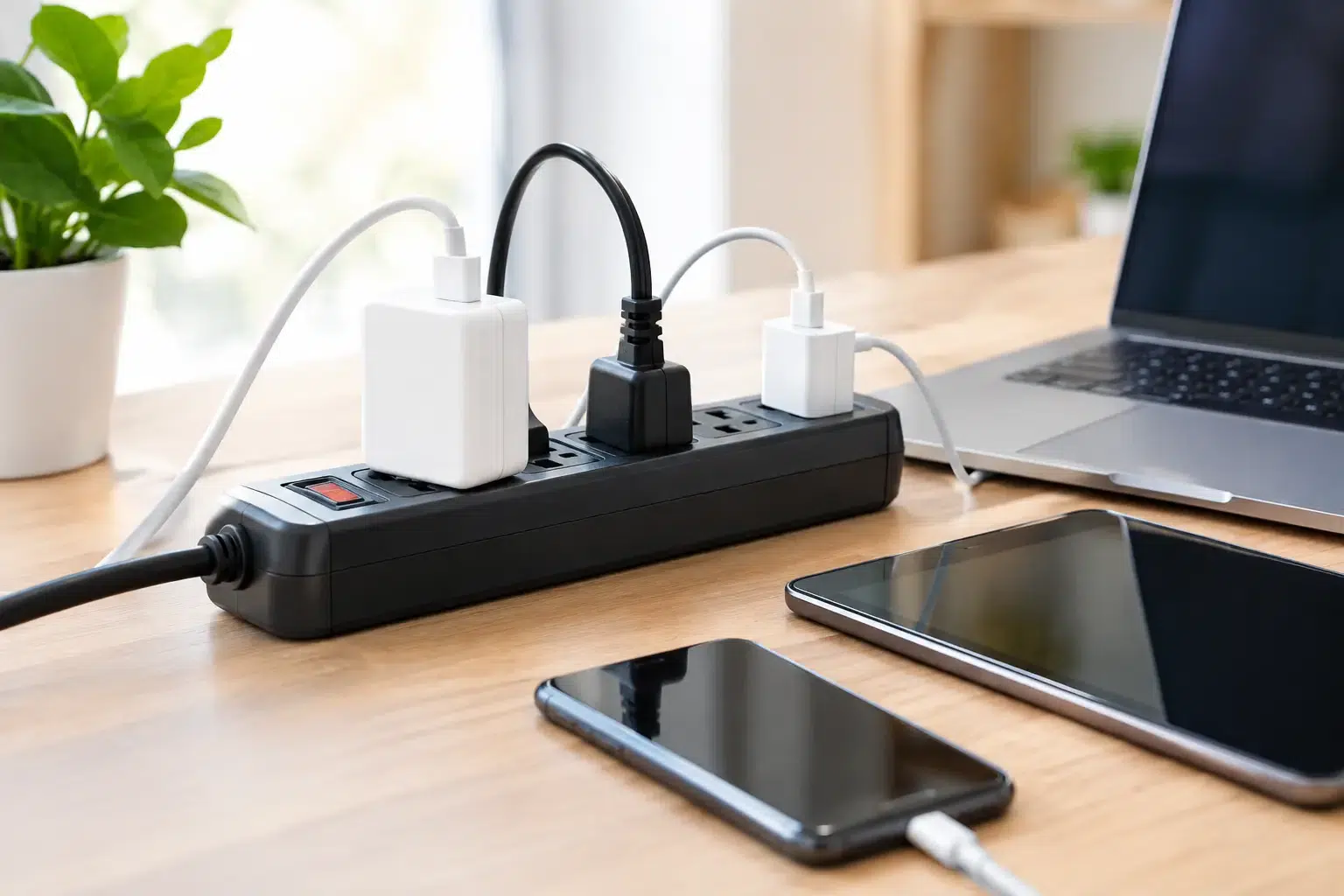
The trade-off here is convenience versus capacity. Many properties were built for a lower electrical demand than what people use now. Large TVs, dedicated home office equipment, EV chargers, tankless water heaters, and modern kitchen appliances all add up. Resetting the breaker may restore power, but it does not increase the circuit’s capacity.

Signs your breaker is tripping from overload

If the breaker trips only when certain appliances are used together, overload is a strong possibility. The same is true if the trip happens after the circuit has been under load for a little while rather than the instant a device turns on.

Warm outlets, flickering lights, or frequent trips on the same breaker are signs the circuit may need to be evaluated. In some cases, redistributing loads helps. In others, the better solution is adding a dedicated circuit or upgrading part of the electrical system.

Short circuits and ground faults are more serious

When people ask what causes circuit breaker tripping, they often assume it is just too many things plugged in. That does happen often, but short circuits and ground faults deserve more attention because they can point to damaged wiring, failing devices, or unsafe conditions inside walls, outlets, fixtures, or equipment.

A short circuit usually causes the breaker to trip immediately. You might hear a pop, notice a burnt smell, or find that the trip happens every time a specific light switch or appliance is used. Damaged insulation, loose connections, pinched wires, and internal equipment failure can all cause this kind of problem.

Ground faults are common where water and electricity are close together. A bathroom receptacle, an outdoor outlet, a pool-related circuit, or a garage device exposed to moisture may trigger a trip because current is escaping its intended path. On the Gulf Coast, humidity, weather exposure, and salt air can make these issues more likely over time.

When moisture is part of the problem

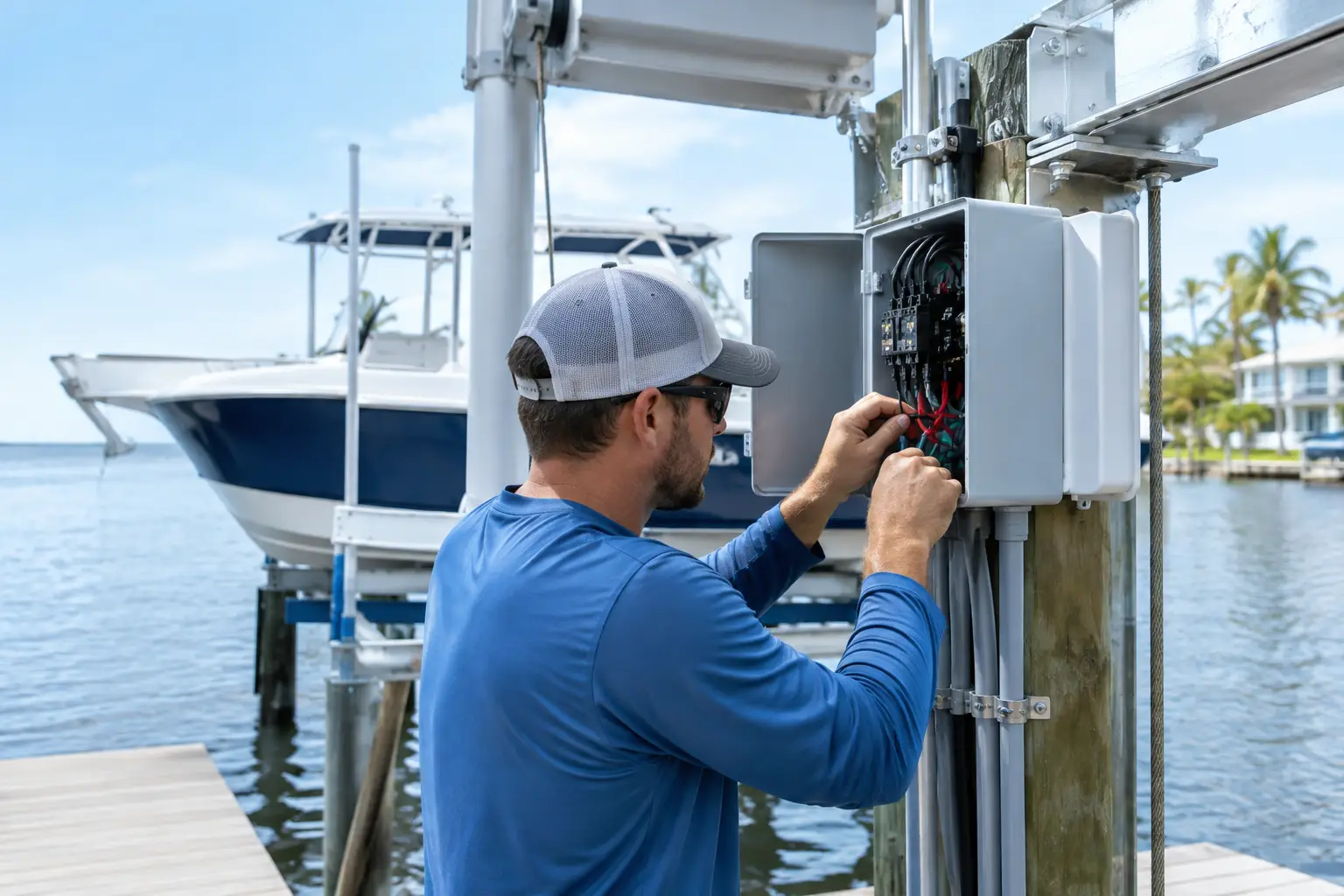
Coastal properties deal with conditions that can affect electrical systems differently than inland homes. Outdoor equipment, disconnects, receptacles, and panels may be exposed to moisture and corrosion for years. Even when everything was installed correctly, age and environment matter.

If a breaker trips after heavy rain, high humidity, or storm activity, moisture intrusion should be considered. That does not mean the breaker is faulty. It may be detecting a real hazard.

Appliance and equipment problems can trip a breaker

Sometimes the issue is not the wiring in the building but the device connected to it. A breaker may trip because an appliance has a failing motor, a compressor pulling too much current, or internal wiring damage. This is common with HVAC equipment, refrigerators, disposal units, washing machines, and older commercial equipment.

A useful clue is whether the breaker trips only when one specific item is running. If the circuit stays on until that appliance starts, the load or the appliance itself may be the trigger. That still needs proper diagnosis. Replacing the breaker without checking the equipment can miss the real issue.

There is also an it-depends factor here. Some motors have a high startup draw that may be normal, while others are signaling wear. A licensed electrician can test the circuit and determine whether the breaker is responding correctly or whether the equipment needs repair.

Arc fault and GFCI protection can trip for safety reasons

Newer homes and updated electrical systems often include AFCI and GFCI protection. These devices are designed to trip under conditions that standard breakers may not catch as quickly. That is good for safety, but it can confuse property owners who are used to thinking only in terms of overloads.

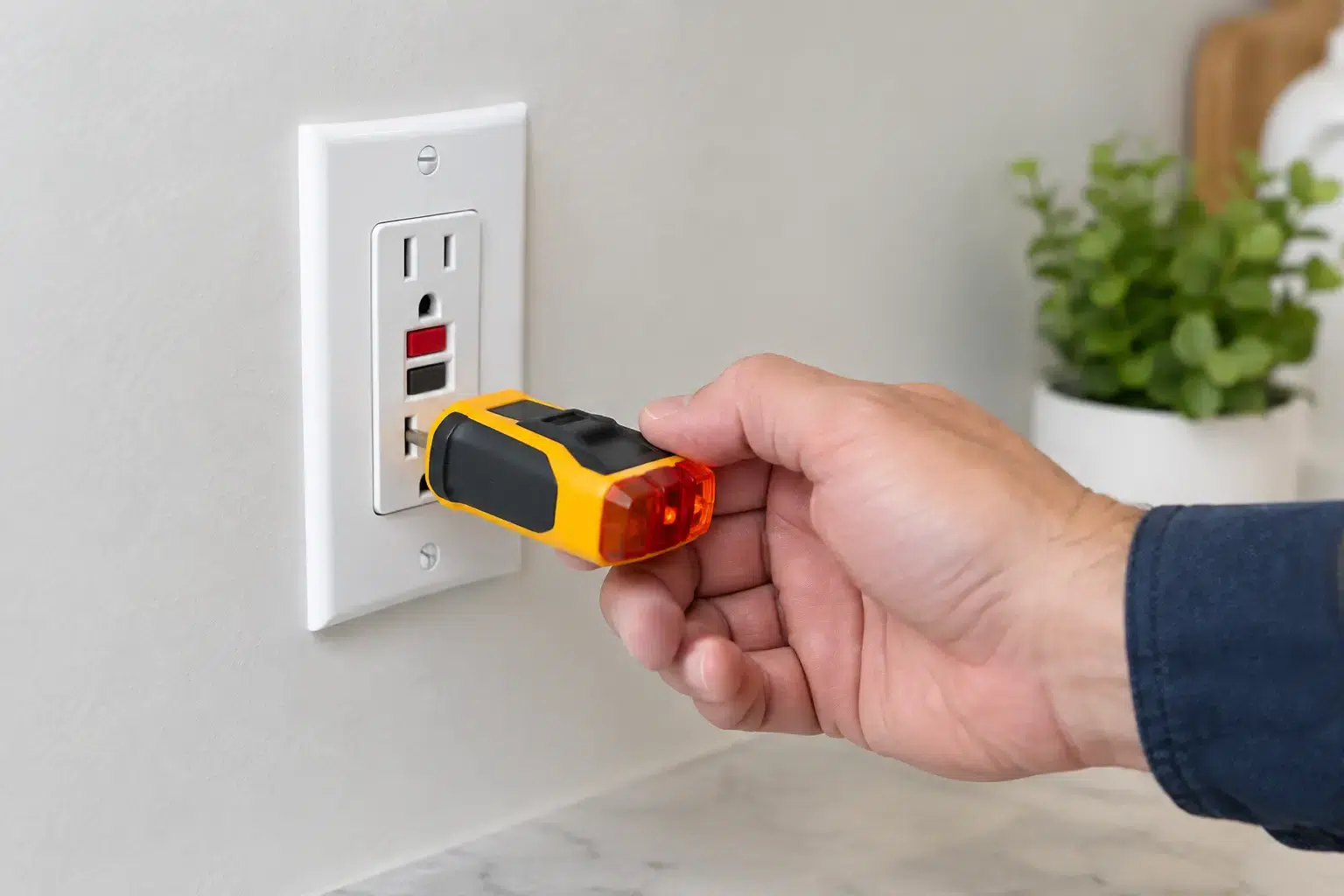
An AFCI breaker looks for dangerous arcing that can happen with damaged cords, loose connections, or deteriorating wiring. A GFCI trips when it senses current leaking where it should not. In both cases, nuisance trips are possible, but repeated trips should never be dismissed without inspection.

If one of these protective devices keeps tripping, the answer is not to bypass it. The better approach is to find out whether the problem is with the connected device, the wiring, or the breaker.

Could the breaker panel itself be the issue?

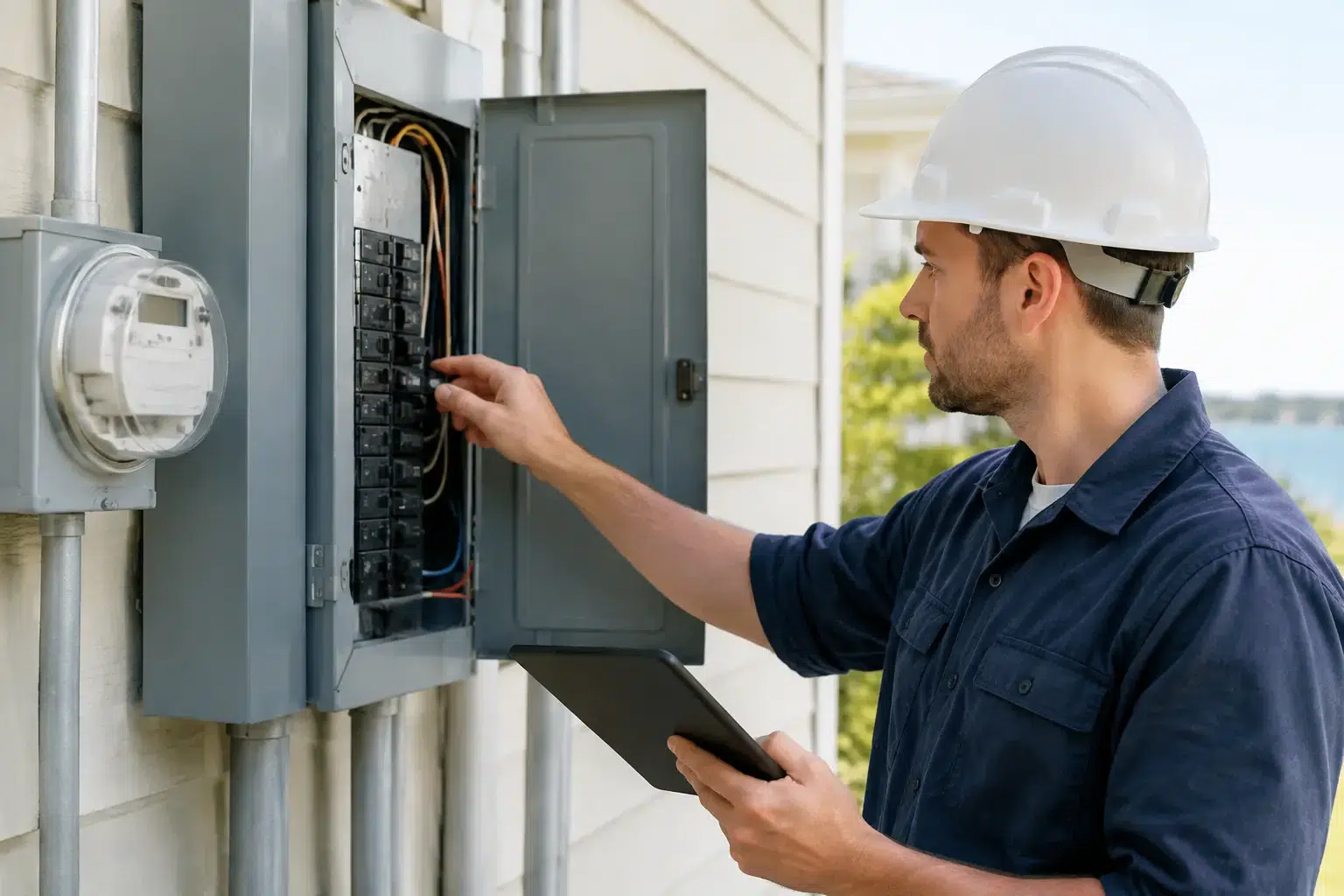
Yes. Breakers and panels are not meant to last forever. Loose bus connections, aging components, overheating, corrosion, and outdated equipment can all lead to tripping problems. In older homes, you may also run into undersized service, crowded panels, or prior modifications that no longer match present-day electrical demand.

This is especially relevant for homes and businesses that have added major loads over time. If your property now includes updated kitchen equipment, more HVAC demand, a generator connection, or EV charging, the panel may need to be reviewed as part of the bigger picture.

A breaker that feels loose, smells burnt, trips without a clear pattern, or will not reset consistently should be checked promptly. Those are signs that go beyond ordinary overload.

What you can do before calling an electrician

Start with what changed. Think about whether a new appliance was added, whether the trip happens only in wet weather, or whether it is tied to one switch, outlet, or room. That information can help narrow down the cause.

You can also unplug portable devices on the affected circuit and reset the breaker once. If it holds, reconnect items one at a time. If it trips again immediately, or if you notice burning odor, buzzing, discoloration, or heat, stop there and have the system inspected.

The one thing you should not do is force the breaker to stay on or keep resetting it repeatedly. A breaker that trips over and over is reacting to something, and repeated resets can make a bad situation worse.

When to bring in a licensed electrician

If the same breaker trips more than once, if the cause is not obvious, or if the issue involves a panel, wiring, outdoor equipment, or moisture, professional diagnosis is the safe next step. Electrical problems are not always visible from the outside, and guessing can be expensive.

For homeowners, condo owners, and property managers in Gulf Shores, Orange Beach, and surrounding areas, fast service matters when power problems affect comfort, operations, or safety. MNE Electric handles breaker issues, panel evaluations, repairs, and upgrades with the goal of getting it fixed correctly the first time.

A tripping breaker is inconvenient, but it is also one of the clearest warning signs your electrical system can give you. Paying attention to it now is often the best way to prevent a larger repair later.