
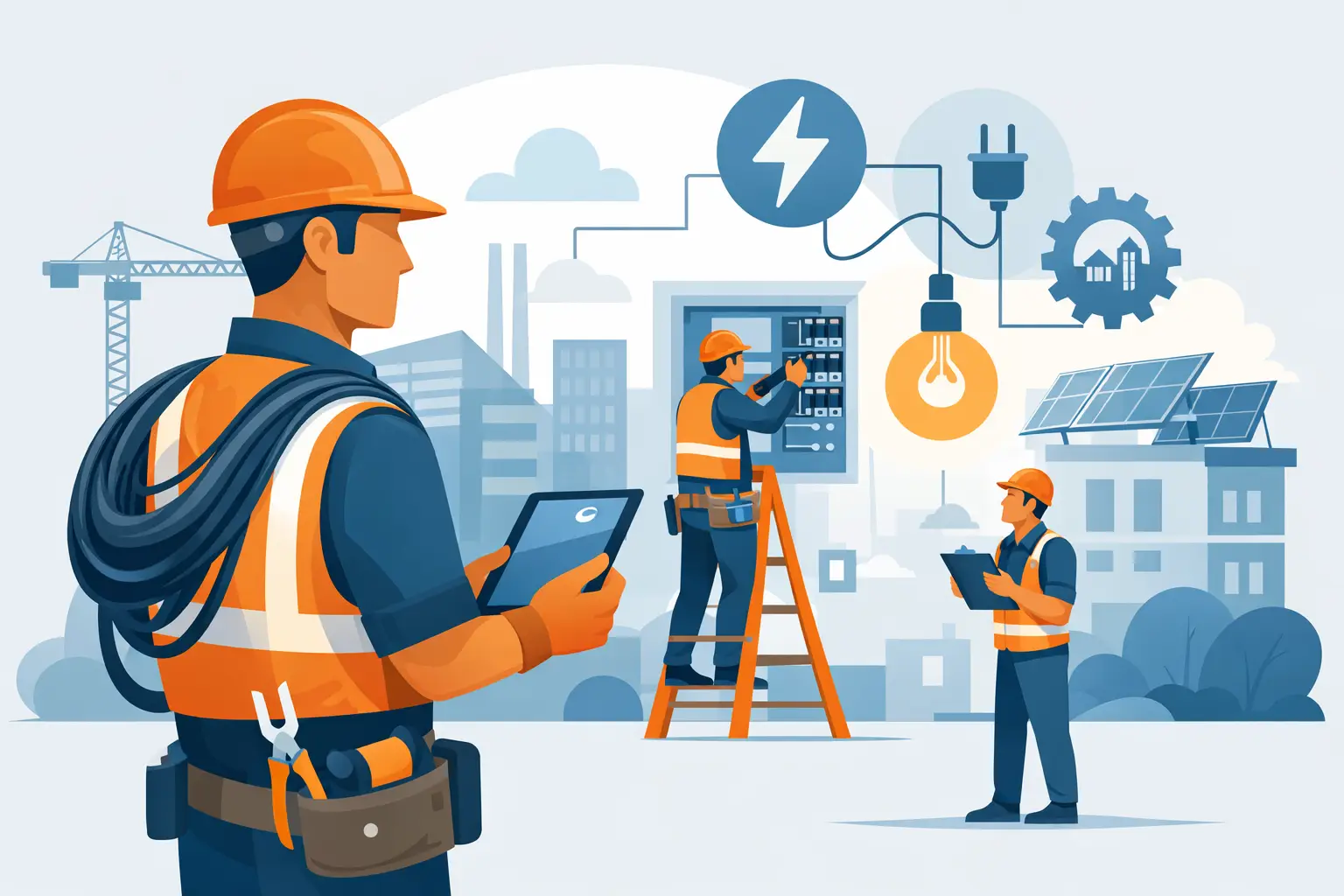
What a Commercial Electrical Contractor Does
A flickering light in a store is annoying. A power issue in an office, restaurant, condo building, or rental property can shut down operations, frustrate tenants, and create real safety concerns. That is where a commercial electrical contractor comes in – not just to fix what is broken, but to keep a property powered, compliant, and ready for day-to-day demands.
Commercial electrical work is different from residential work in ways that matter to owners and managers. The scale is larger, the systems are often more complex, and downtime carries a higher cost. A home may need a panel upgrade or a new circuit. A commercial property may need service upgrades, tenant build-out wiring, lighting improvements, surge protection, backup power planning, or electrical design that supports future growth.
What a commercial electrical contractor handles
A commercial electrical contractor works on electrical systems for businesses, mixed-use properties, offices, retail spaces, restaurants, warehouses, multifamily buildings, and other non-residential settings. That can include new installations, repairs, upgrades, inspections, troubleshooting, and long-term planning.
The day-to-day scope varies by property. One business may need quick repairs to restore part of its lighting or equipment power. Another may be planning a major renovation with new circuits, panels, and code-related updates. Property managers often need a contractor who can handle both ends of that range without making the process harder than it needs to be.
In practical terms, commercial work often includes lighting systems, electrical panels, branch circuits, dedicated equipment feeds, emergency power considerations, surge suppression, exterior power, parking lot lighting, and controls. For some properties, it also means EV charging infrastructure, generator installation, or energy management improvements that reduce waste without sacrificing performance.
Why commercial projects are not just bigger residential jobs
It is easy to assume electrical work is electrical work. In reality, commercial properties come with different rules, usage patterns, and risks. Occupancy type affects code requirements. Equipment loads may be heavier and more variable. Shared buildings introduce coordination issues between owners, tenants, and other trades.
There is also the question of business continuity. A repair that can wait in a spare room at home may need immediate attention in a leased space or customer-facing business. If a tripped breaker affects refrigeration, point-of-sale systems, exterior lighting, or safety devices, the impact goes beyond inconvenience.
That is why experience matters. A contractor working in commercial settings needs to think past the immediate repair and look at the broader system. Is the problem isolated, or is it a sign of overload, aging infrastructure, improper installation, or equipment mismatch? The right answer is not always the fastest one, but it should be the one that holds up.
When to call a commercial electrical contractor
Some problems are obvious. Frequent breaker trips, partial power loss, buzzing panels, dead outlets, nonworking lights, and damaged exterior fixtures all justify a service call. So do signs of heat, burning odors, or anything that suggests an electrical hazard.
Other situations are more strategic. If you are renovating a tenant space, adding equipment, increasing electrical demand, planning EV chargers, installing a generator, or trying to improve reliability before storm season, it makes sense to bring in a contractor early. Waiting too long can create avoidable delays, especially if the existing service is already near capacity.
For property owners and managers, inspections are another key moment. Even if nothing appears wrong, older systems may not align well with current use. A building that was wired years ago for lighter demand may now be supporting more HVAC controls, office equipment, kitchen appliances, or charging needs than it was designed for.
The value of getting the job done right the first time
Electrical problems have a way of getting more expensive when they are patched instead of solved. A temporary fix may restore power today, but if the root cause is still there, the same issue can return during the busiest part of the week.
That matters in commercial settings because repeat problems affect more than maintenance budgets. They interrupt business, strain tenant relationships, and create uncertainty for staff and customers. In some cases, they can also expose owners to liability if unsafe conditions are left unaddressed.
A dependable contractor focuses on correct diagnosis, code-conscious work, and workmanship that lasts. That may mean recommending a repair in one case and an upgrade in another. It depends on the age of the equipment, the condition of the wiring, the load being served, and whether the property is likely to change in the near future.
Service upgrades, modern demands, and future planning
Many commercial properties are being asked to do more with electrical systems that were not built for current demand. New equipment, expanded operations, technology upgrades, and electrification all increase the load on a building.
A service upgrade can solve recurring performance issues, but it is not the right answer in every case. Sometimes the better solution is redistributing loads, adding dedicated circuits, improving panel organization, or replacing failing components. Other times, a full upgrade is the smart long-term move because it creates capacity for planned growth.
This is also where modern services become relevant. EV charger installation is no longer limited to large corporate campuses. Condo properties, offices, hospitality businesses, and retail sites are beginning to see it as a practical amenity. Generator installation and surge suppression are also becoming more common in coastal areas where storm-related outages and power quality issues can affect operations.
A good contractor should be able to explain those options clearly. Not every property needs the most advanced setup. The best plan is the one that fits the building, the budget, and the operational priorities.
What to look for in a commercial electrical contractor
The first thing to look for is experience with commercial work similar to yours. A small office build-out, a restaurant equipment upgrade, and a multifamily service issue can all fall under commercial electrical service, but they are not the same job. Familiarity with the property type helps the contractor anticipate issues before they become delays.
Responsiveness also matters more than many owners expect. When a business has an electrical issue, waiting days for clear communication is a problem in itself. You want a contractor who shows up, communicates clearly, and gives practical recommendations instead of vague answers.
It also helps to work with a team that can support both immediate needs and planned improvements. That includes repairs and troubleshooting, but also inspections, engineering and design input, energy management solutions, and larger installations when the property is ready. In Gulf Shores and nearby coastal communities, that broad capability can be especially useful for owners managing weather exposure, seasonal occupancy, and aging infrastructure.
Cost, timing, and the trade-offs that matter
Commercial clients usually want two things at once – a fair price and minimal disruption. Both are reasonable, but there are trade-offs. Fast scheduling may depend on material availability, permitting, or whether work can happen during off-hours. The lowest upfront price may not include the level of troubleshooting or long-term reliability a property really needs.
That does not mean every project has to become a major capital expense. Many issues can be handled efficiently when the scope is identified early and the contractor is direct about what is necessary versus optional. Financing can also make larger upgrades more manageable when a panel replacement, generator installation, or infrastructure improvement cannot wait.
The key is transparency. Owners and managers should understand what problem is being solved, what risks remain if work is deferred, and what the realistic timeline looks like.
Why local knowledge still makes a difference
Commercial electrical work is technical, but it is also local. Buildings in coastal Alabama deal with weather, corrosion, seasonal use, and maintenance demands that may not look the same inland. A contractor familiar with the area is often better prepared to recommend solutions that hold up in real conditions, not just on paper.
That local perspective can also help with service response and project coordination. For businesses and property owners, the practical benefit is simple: less back-and-forth, fewer surprises, and a clearer path from problem to solution. MNE Electric approaches commercial work with that mindset – dependable service, qualified technicians, and a focus on doing the job correctly.
If you own, manage, or operate a commercial property, the best time to address electrical concerns is usually before they interrupt business. A reliable system is not just about power staying on. It is about protecting the people in the building, supporting the way the property is used, and making smart decisions that will still make sense a few years from now.