
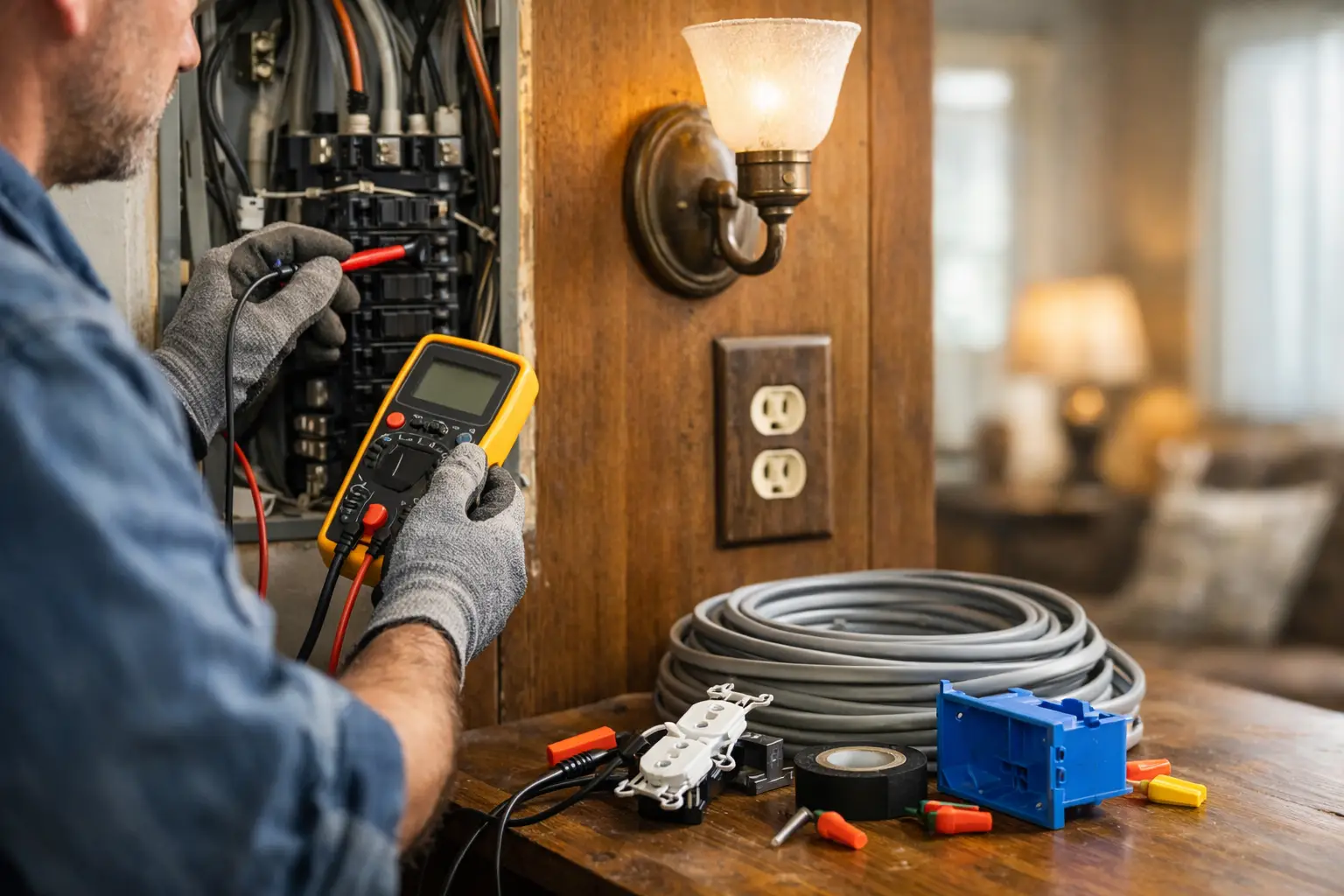
Best Electrical Upgrades for Older Homes
That flicker when the microwave starts, the two-prong outlets in the bedrooms, the breaker that trips when one too many appliances run at once – older homes have a way of telling you when the electrical system is falling behind. If you are weighing the best electrical upgrades for older homes, the right answer usually starts with safety first, then capacity, then convenience.
A lot of homes built decades ago were never designed for today’s electrical loads. Between HVAC equipment, large kitchen appliances, home offices, smart devices, EV chargers, and backup power needs, modern living asks much more from the wiring than it did years ago. The goal is not to replace everything just because a house is old. The goal is to identify which upgrades will make the home safer, more reliable, and better prepared for how you actually use it.
How to Prioritize the Best Electrical Upgrades for Older Homes
The most valuable upgrades are not always the most visible ones. A new light fixture may freshen up a room, but it will not solve an undersized service, outdated panel, or ungrounded branch circuits. In most older homes, the smartest approach is to start at the service entrance and work inward.
That means looking at the panel, the condition of the wiring, the grounding system, and the outlets in the areas where people plug in the most equipment. If those basics are in good shape, then it makes sense to move on to convenience upgrades like added circuits, exterior lighting, generator connections, or EV charging.
A licensed electrician can usually tell pretty quickly whether your home needs targeted improvements or a broader modernization plan. That matters because not every older home needs a full rewire, but some absolutely do.
Service panel upgrades often deliver the biggest improvement
If an older home still has a small service, an outdated breaker panel, or a fuse box, a service upgrade is often the most important investment. This is especially true if you are adding a heat pump, replacing appliances, renovating a kitchen, or planning for an EV charger.
A modern panel gives your home more usable capacity and makes the system easier to manage safely. It also reduces the temptation to rely on workarounds like power strips, extension cords, and overloaded circuits. If breakers trip regularly, that is not just an annoyance. It is a sign the system may be undersized, overburdened, or improperly configured.
There is a trade-off here. A panel upgrade can be a larger project than homeowners expect, especially if the meter base, service entrance equipment, or grounding also need to be brought up to current standards. But when the panel is the bottleneck, smaller upgrades around the house will only do so much.
When a panel upgrade makes sense
Frequent breaker trips, limited space for new circuits, signs of heat or corrosion, and heavy reliance on tandem breakers can all point to the need for a replacement. Homes near the coast may also face more wear from humidity and salt air, so electrical equipment condition should be evaluated carefully rather than judged by age alone.
Rewiring is not always first, but it matters when wiring is outdated
Some older homes still have wiring methods or materials that are no longer considered practical for modern demands. Others may have had decades of piecemeal additions, DIY work, or repairs that left the system inconsistent and hard to trust.
A full rewire is one of the most expensive electrical upgrades, which is why it should be recommended carefully, not automatically. But if the home has unsafe wiring, missing grounds, deteriorated insulation, or clear signs of improper modifications, rewiring may be the right long-term fix.
Partial rewiring can also make sense. For example, kitchens, bathrooms, laundry rooms, and additions usually carry more load and stricter code requirements than older bedrooms or formal living spaces. Upgrading the highest-demand areas first can improve safety and function without turning the entire house into a major renovation zone.
GFCI and AFCI protection are small upgrades with big safety value
If you want one of the best electrical upgrades for older homes without jumping straight into a large-scale project, modern circuit protection is a strong place to start. GFCI protection helps reduce shock risk in areas where water is present, such as kitchens, bathrooms, garages, laundry areas, and outdoor locations. AFCI protection helps reduce fire risk from electrical arcing in many living spaces.
Older homes often lack one or both. In some cases, the fix is as simple as replacing devices or breakers. In others, the panel and circuit layout will determine the best path.
These upgrades may not be exciting, but they matter. They improve safety in ways homeowners may never see directly, which is often the point of good electrical work.
Grounded outlets and dedicated circuits make daily use easier
Two-prong outlets are common in older homes, and they usually signal an ungrounded circuit. That does not automatically mean the home is dangerous, but it does mean the system may not offer the level of protection expected for modern electronics and appliances.
Adding grounded receptacles the right way may involve rewiring, GFCI protection, or circuit upgrades depending on the existing wiring. What matters is that the correction is done properly. Simply swapping in three-prong outlets without providing a compliant path for protection is not a real upgrade.
Dedicated circuits are another practical improvement. Kitchens, laundry rooms, bathrooms, garages, and home offices often benefit from circuits designed for specific loads. If you have window units, freezers, garage refrigerators, workshop tools, or office equipment sharing circuits with general lighting and receptacles, nuisance trips and overloads become much more likely.
Whole-home surge protection is worth serious consideration
Power quality issues do not always show up as dramatic outages. Small surges and voltage spikes can shorten the life of appliances, HVAC systems, electronics, and smart home equipment over time. In coastal Alabama, storm activity adds another layer of concern.
A whole-home surge protector installed at the panel helps defend the electrical system from incoming surges before they reach sensitive equipment throughout the house. It is not a substitute for point-of-use protection in every case, but it creates a much stronger first line of defense.
This is one of those upgrades that tends to look more affordable when compared to the cost of replacing multiple damaged devices. For homes with newer appliances, televisions, internet equipment, or smart controls, the value is easy to understand.
Backup power upgrades depend on how you use the home
For some homeowners, a portable generator connection with a transfer switch is enough. For others, especially full-time residents or property owners managing refrigeration, security systems, elevators, medical devices, or rental readiness, a standby generator may be the better fit.
The right answer depends on budget, outage frequency, and what you need to keep running. A smaller backup setup can cover key circuits like refrigeration, lighting, outlets, and internet service. A standby generator can offer broader support, but it comes with a larger upfront investment and more planning.
This is where a practical conversation matters more than a one-size-fits-all recommendation. The best system is the one sized for your actual priorities.
EV charger installation is becoming a smart forward-looking upgrade
Even if you do not drive an electric vehicle today, many homeowners are thinking ahead. Adding EV charging can increase convenience and prepare the property for future use or resale. In some homes, this is a simple install. In others, the panel capacity needs to be reviewed first.
That is why EV charger installation is often tied directly to service upgrades in older homes. The charger itself may not be the complicated part. The real question is whether the existing electrical system can support it without compromising the rest of the house.
Lighting and exterior improvements still matter
Once the core system is safe and properly sized, lighting upgrades can make an older home feel noticeably better to live in. Recessed lighting, under-cabinet lighting, exterior security lighting, and updated switches can improve comfort, usability, and curb appeal.
Exterior electrical improvements also deserve attention. Weather-resistant outlets, proper lighting around entryways, pool or patio area upgrades, and code-conscious wiring for outdoor equipment can make the property safer and more functional.
For homeowners in Gulf Shores and nearby coastal communities, outdoor electrical components need to be chosen and installed with the environment in mind. Exposure, moisture, and corrosion resistance are not details to overlook.
What to do first if your house has multiple electrical issues
Start with an inspection and a clear plan. That keeps you from spending money on cosmetic upgrades while bigger safety or capacity problems remain unresolved. A dependable electrical contractor should be able to tell you what needs immediate attention, what can be phased in over time, and what upgrades will give you the most value based on the age and condition of the home.
In many cases, the best path is phased work. You might begin with a panel upgrade and surge protection, then add dedicated circuits, outlet upgrades, or a generator connection later. That approach keeps the project manageable while still moving the house toward a safer, more dependable electrical system.
Older homes have character, but the electrical system behind the walls still has to support modern life. The right upgrades do not just add convenience. They give you a home that is safer to live in, easier to use, and better prepared for whatever comes next.