
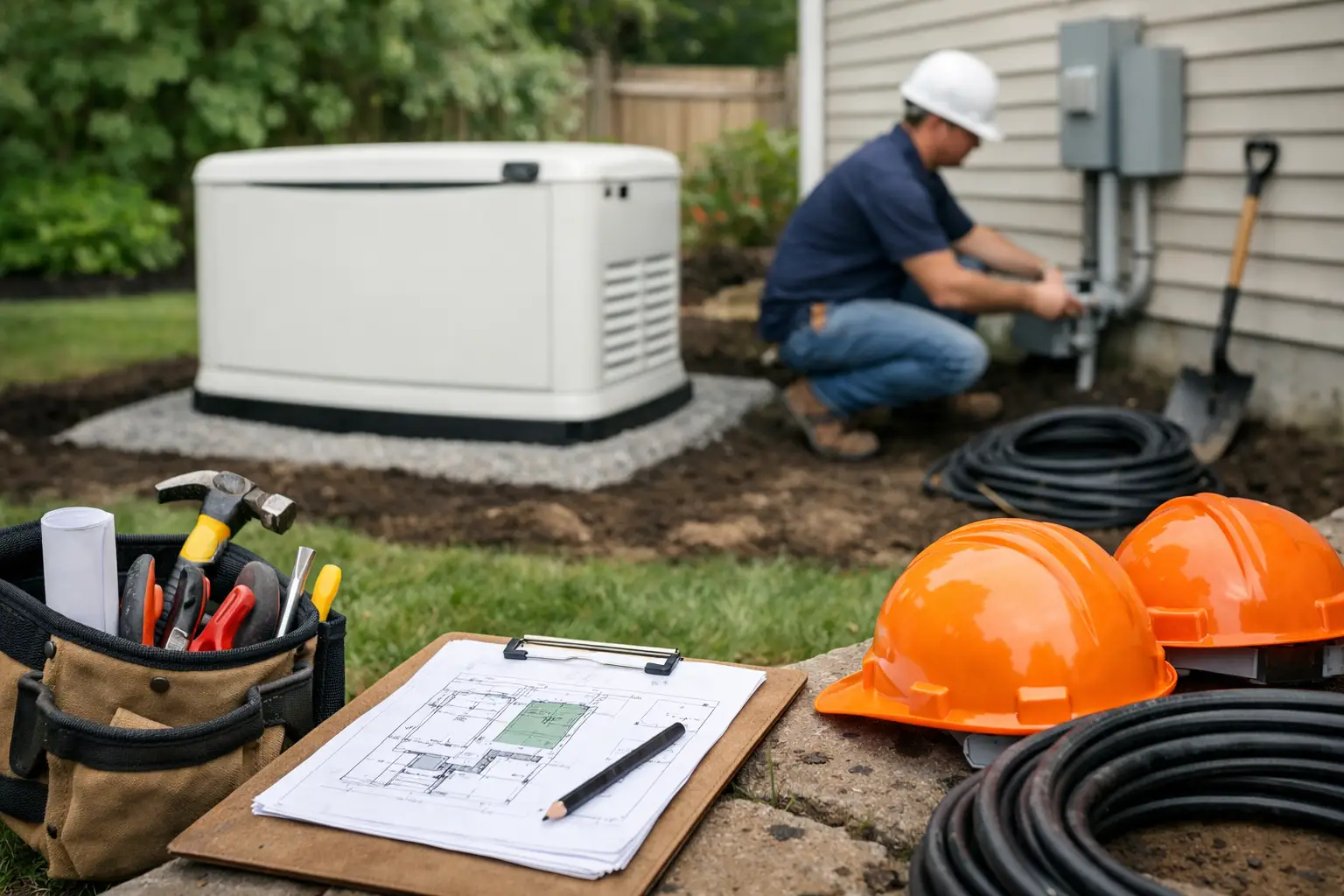
How to Prepare for Generator Installation
When a storm warning is on the radar, most people start thinking about backup power a little too late. If you are researching how to prepare for generator installation before the next outage, you are already making the smart move. Good preparation helps the installation go faster, reduces surprise costs, and makes sure your system is set up to power what matters most.
For homes and small commercial properties, generator installation is not just about dropping a unit outside and connecting a few wires. It usually involves electrical planning, fuel considerations, code requirements, and the physical layout of the property. The better those details are handled up front, the smoother the project tends to be.
How to Prepare for Generator Installation at Your Property
The first step is getting clear on what you want the generator to do. Some property owners want whole-home backup power. Others only want to cover essentials like refrigeration, lighting, medical equipment, internet, and one HVAC system. That decision affects generator size, transfer equipment, fuel demand, and budget.
This is where many people either overspend or undersize. A generator that is too small may not handle startup loads from air conditioning or well pumps. A system that is too large can cost more than necessary to install and operate. Before installation day, it helps to make a realistic list of what absolutely needs to stay on during an outage and what can wait.
If you manage a rental property, condo, or commercial space, the conversation may be different. You may need to prioritize life safety systems, common-area lighting, elevators, refrigeration, office equipment, or business continuity needs. In those cases, backup power planning is less about convenience and more about protecting operations and reducing downtime.
Review Your Existing Electrical Service
One of the most important parts of preparing for generator installation happens inside the electrical system, not outside in the yard. Your panel condition, service size, grounding, and available space all matter.
If the electrical panel is outdated, undersized, or already full, additional work may be needed before the generator can be connected properly. Some properties also need a service upgrade or transfer switch installation to handle the new equipment safely. That does not mean every project turns into a major overhaul, but it is better to know early if your electrical system needs attention.
For older homes in coastal Alabama, this step is especially important. Salt air, humidity, and age can all affect equipment over time. A generator is only as dependable as the electrical system it ties into.
Choose the Right Location
Generator placement is not just a matter of convenience. There are code and manufacturer clearance requirements that affect where the unit can go. It needs adequate distance from doors, windows, vents, and combustible materials, while still allowing access for service and maintenance.
In practical terms, the best location is often a balance between safety, function, and property layout. A spot close to the gas meter or electrical service may reduce installation complexity. But noise, drainage, flood risk, and aesthetics also matter. If the unit is placed in an area that collects water or is hard to access, that can create long-term problems.
For coastal properties in places like Gulf Shores and Orange Beach, site conditions deserve extra attention. Wind exposure, elevation, corrosion resistance, and stormwater movement can all affect where the unit should be installed. A good site plan looks beyond the easiest spot and focuses on what will hold up well over time.
Fuel Planning Matters More Than Most People Expect
A standby generator needs a dependable fuel source, and that choice shapes the entire installation. Most permanent systems run on natural gas or propane. Each option has advantages, and the right fit depends on the property.
Natural gas can be convenient because it provides a continuous fuel supply through the utility line. That removes the need to refill a tank during extended outages. The trade-off is that not every property has access to natural gas service, and in some cases gas line capacity may need to be evaluated.
Propane works well in many areas and can be a strong option where natural gas is not available. But tank size and refill planning become part of the equation. If you want to run major loads for an extended outage, the fuel consumption rate matters. A small tank may not support your expectations for very long.
Before installation, it helps to confirm which fuel source is available, whether upgrades are needed, and who will handle that portion of the work. That avoids delays once the generator has already been selected.
Make Space for Access and Equipment
Installation crews need room to work safely and efficiently. That sounds simple, but it is one of the most overlooked parts of preparing for generator installation.
Make sure the path to the installation area is clear of vehicles, outdoor furniture, storage items, and overgrown landscaping. If there is a gate, narrow side yard, or fenced area, confirm that the equipment can actually be moved through it. In some cases, access issues change where the generator can be placed or what equipment is needed to set it.
You should also think beyond installation day. The unit will need future maintenance and occasional service. If it is boxed in too tightly by fencing, shrubs, or additions, routine work becomes harder and more expensive.
Understand Permits and Code Requirements
Generator installation is not a handyman project. Permanent standby systems involve electrical work, and often gas work, permitting, inspections, and code compliance.
The exact permit requirements depend on the jurisdiction and the scope of the installation. In many cases, there will be electrical permitting and coordination with the local authority having jurisdiction. If gas piping or propane service is part of the project, additional approvals may be involved.
This is one reason working with a qualified local electrical contractor matters. Local code knowledge helps prevent delays, failed inspections, and expensive corrections. It also gives property owners a clearer idea of the timeline, since permitting can affect when work can begin and when the system can be commissioned.
Questions to Settle Before Installation Day
If you want the process to move efficiently, a few decisions should be made before the crew arrives. You do not need to know every technical detail, but you should be ready to answer practical questions.
Know which circuits or systems you want backed up. Know whether your goal is whole-home coverage or essential loads only. Know whether there are any access issues, HOA concerns, property line limitations, or planned renovations that might affect placement.
It also helps to discuss noise expectations, maintenance access, and whether the installation may require panel upgrades or concrete work. These are not minor details. They influence both cost and final system performance.
Budget for the Full Project, Not Just the Unit
A common mistake is pricing the generator itself and assuming the rest of the project will be simple. In reality, installation cost includes more than the equipment. Site preparation, pad work, transfer switch installation, electrical labor, fuel line work, permits, and possible service upgrades all affect the total.
That does not mean every installation becomes expensive. It means the full scope should be reviewed honestly from the start. A lower equipment price does not always lead to a better overall value if the system is not properly matched to the property or if important work gets deferred.
For some property owners, financing can make a larger backup power project more manageable, especially if the generator is being installed alongside other electrical improvements.
How to Prepare for Generator Installation Without Last-Minute Delays
The best way to avoid delays is to treat generator installation like a coordinated project, not a single product purchase. Start with a site evaluation. Confirm your electrical system condition. Decide what loads matter most. Resolve fuel availability. Clear access. Ask about permits and timeline.
It is also smart to think about outage conditions ahead of time. If your property relies heavily on central air, refrigeration, internet-connected systems, pumps, or gate access, those needs should be part of the design conversation early. Waiting until after equipment is ordered can limit your options.
For homes, the goal is usually comfort and safety. For commercial properties, the stakes can include lost revenue, tenant complaints, spoiled inventory, or interrupted operations. Preparation helps protect against all of that.
A dependable generator starts with a dependable installation plan. If you are preparing for a project in Gulf Shores or nearby Baldwin County communities, local experience matters because coastal conditions, permitting expectations, and property types can vary more than many people expect.
Backup power should feel like peace of mind, not a rushed decision made after the lights go out. A little preparation now gives you a better result later, and a system you can count on when the weather does its worst.