
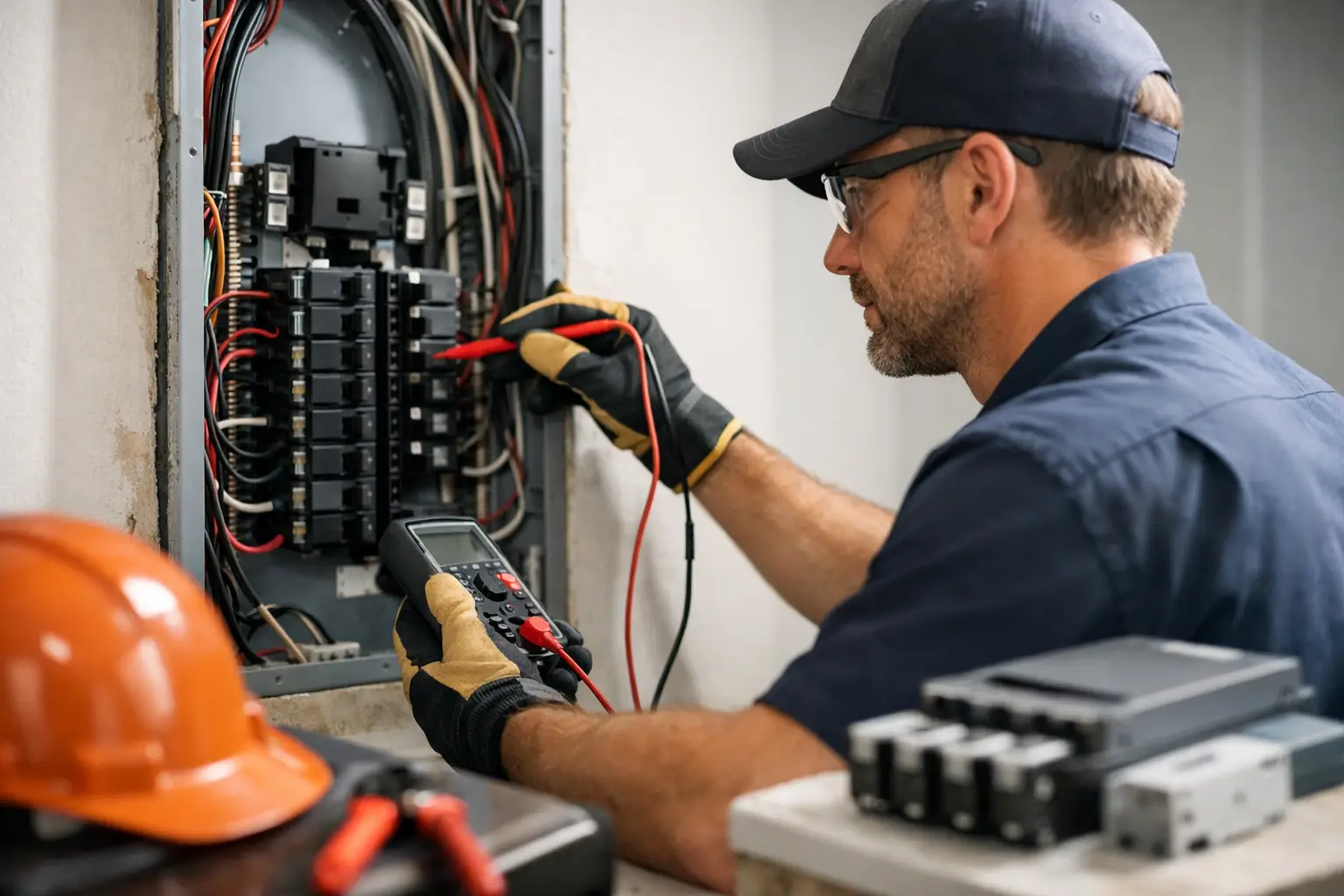
How to Upgrade Electrical Panel Safely
If your lights dim when the AC starts, breakers trip when you use the microwave, or you are planning to add an EV charger or generator, you may be wondering how to upgrade electrical panel capacity without creating bigger problems. In most homes and small commercial buildings, the panel is the control center for the entire electrical system. When it is outdated, undersized, or damaged, everything downstream is affected.
An electrical panel upgrade is not a cosmetic improvement. It is a safety and performance project that changes how power enters and moves through your property. That is why the right answer is usually not just a bigger box on the wall. It often involves service capacity, grounding, breaker layout, utility coordination, permits, and a close look at the condition of the existing wiring.
What an electrical panel upgrade actually means
When people talk about upgrading a panel, they may mean one of several things. Sometimes the job is replacing an old breaker panel with a new one of the same amperage because the existing equipment is worn, obsolete, or no longer safe. In other cases, it means increasing service from 100 amps to 200 amps, or adding more circuit space to support new loads.
That distinction matters. If you only need safer, more reliable equipment, the solution may be a panel replacement. If your property is adding major electrical demand, such as a pool system, electric water heater, commercial equipment, or whole-home backup power, the project may require a full service upgrade. The work can also involve a meter base, service entrance conductors, grounding and bonding updates, and coordination with the power company.
Signs it may be time to upgrade electrical panel equipment
Some signs are obvious, and some show up slowly. Frequent tripped breakers, warm panel surfaces, buzzing sounds, corrosion, flickering lights, or the need for multiple extension cords can all point to an overloaded or aging system. In coastal areas, salt air and moisture can also take a toll on exterior electrical equipment over time.
You may also need an upgrade even when nothing seems wrong today. That happens often when homeowners remodel kitchens, add HVAC equipment, install EV chargers, or prepare for a generator connection. A panel that was acceptable for yesterday’s electrical demand may not be sized for what the property needs next year.
Insurance concerns can be another factor. Some older panel brands and outdated service equipment raise red flags because of known safety issues or limited parts availability. If your panel is decades old, it is worth having it evaluated before it becomes an emergency.
How to upgrade electrical panel systems the right way
The first step is load evaluation, not shopping for breakers. A licensed electrician reviews how much power the property uses now, what large appliances or equipment are already in place, and what you plan to add. This is the part many property owners underestimate. The goal is not to oversell capacity. It is to size the system correctly so you are not paying for unnecessary work and not underbuilding for future needs.
Next comes an inspection of the existing service equipment and wiring. If the panel is outdated but the service size is still adequate, the job may be more straightforward. If the utility feed, meter base, grounding, or conductors are undersized or deteriorated, those items may need to be upgraded too. That can change cost, timeline, and scheduling.
Once the scope is clear, the contractor handles permitting and plans the shutdown. On the installation day, power is disconnected, the old equipment is removed, and the new panel and related components are installed. Circuits are carefully labeled and reconnected, and grounding and bonding are verified. After installation, the work is inspected and coordinated for utility reconnection if required.
For the property owner, the practical takeaway is simple: a proper panel upgrade is a system-level project, not a quick swap.
Why this is not a DIY job
Homeowners are often comfortable replacing outlets, light fixtures, or switches. A panel upgrade is different. The conductors feeding the panel remain dangerous even when branch breakers are off, and mistakes in panel work can lead to shock hazards, equipment damage, failed inspections, or fire risk.
There is also a code side to this work. Modern panels must meet current requirements for clearances, grounding, breaker compatibility, labeling, and in some cases surge protection or other safety provisions. If the work is done without permits or by someone not qualified, that can create problems during real estate transactions, insurance reviews, and future repairs.
For commercial properties and multifamily buildings, the stakes are even higher. Service interruptions affect tenants, customers, refrigeration, office systems, and life-safety planning. That is one reason experienced coordination matters as much as technical skill.
Cost depends on more than panel size
One of the most common questions is price, and the honest answer is that it depends on the full scope. Replacing a panel with a similar capacity is different from increasing service amperage. Costs also change if the meter base needs replacement, if conductors must be upsized, if code corrections are required, or if the panel location creates access challenges.
A property owner planning around budget should think in terms of value, not just base price. A properly sized panel can eliminate nuisance trips, support future additions, improve safety, and reduce the likelihood of emergency repairs. It can also make higher-value upgrades possible, including generator interlocks, whole-home surge protection, and EV charging.
If your project involves several improvements, it often makes sense to plan them together. Upgrading the panel before adding a charger or standby generator is usually more efficient than doing the work in separate phases.
Timing, permits, and what to expect during the project
Many panel upgrades can be completed in a day once materials, permits, and utility coordination are in place, but the lead-up often takes longer than the installation itself. Scheduling depends on permit turnaround, equipment availability, and utility requirements.
You should expect a planned power outage during the work. For homes, that means preparing for refrigeration, internet downtime, garage access, and HVAC interruption. For businesses, it may mean choosing off-hours or staging the work to limit disruption. Clear communication matters here. Good contractors explain what will happen, how long power will be off, and whether any follow-up inspection or reconnection window is involved.
In Gulf Shores, Orange Beach, and nearby coastal communities, weather can also affect timing for exterior service work. That is another reason to address an aging panel before peak summer demand or storm season adds pressure to the system.
When a panel upgrade makes the most sense
The best time to upgrade is usually before your system reaches the breaking point. If you are already planning renovations, adding major equipment, or seeing warning signs, that is the time to act. Waiting until breakers fail repeatedly or the panel shows visible damage often turns a planned project into an urgent one.
There are also cases where an upgrade is not the first answer. If a single circuit is overloaded, a dedicated circuit may solve the problem. If the panel has enough capacity and space, an addition may be possible without a full replacement. That is why an honest assessment matters. The right contractor should be able to tell you when a full upgrade is necessary and when a simpler option will do the job.
For many properties, especially older homes and buildings that are being modernized, a panel upgrade is one of the most practical infrastructure improvements you can make. It supports safety first, but it also gives you room to grow.
If you are trying to decide how to upgrade electrical panel equipment at your property, start with a professional evaluation of the actual load, the condition of the existing service, and the improvements you want to make next. The best result is not just more power. It is power that is safe, dependable, and ready for the way you live or work now.