
Tenant Improvement Electrical Contractor Guide
A retail suite gets leased, an office changes hands, or a restaurant tenant needs a space reworked before opening day. That is usually when a tenant improvement electrical contractor becomes one of the most important people on the project. Electrical work affects layout, lighting, equipment, inspections, schedule, and long-term operating costs, so getting it right early saves time and money later.
What a tenant improvement electrical contractor actually does
Tenant improvements are the changes made to a commercial space so it fits a new tenant’s needs. Sometimes that means minor updates like adding receptacles, changing lighting, and moving a few circuits. Other times it involves a full interior build-out with new panels, dedicated equipment feeds, emergency lighting, data coordination, and code upgrades.
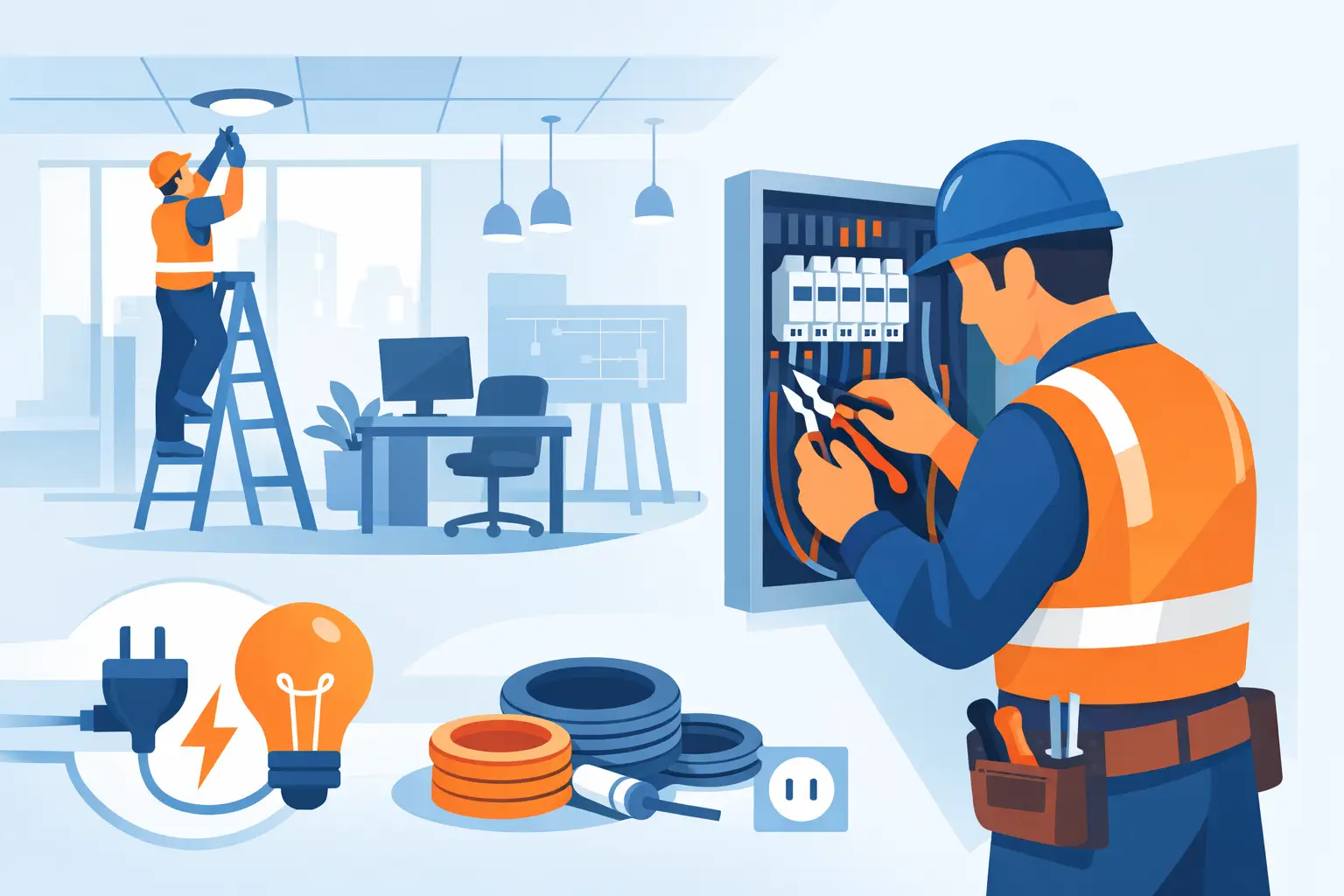
A tenant improvement electrical contractor handles the electrical side of that work from planning through final inspection. That can include reviewing drawings, identifying service capacity, laying out lighting, coordinating with other trades, installing new branch circuits, relocating existing devices, upgrading panels, and making sure everything meets current code. In many projects, the contractor also helps spot problems before walls are closed up, which is often where real savings happen.
The reason this role matters so much is simple. Commercial spaces are rarely as ready as they look. A suite that worked for the previous tenant may not have enough power, the right lighting layout, or the proper wiring for the next occupant’s equipment and operations.
Why tenant improvement projects are rarely just basic electrical work
On paper, some tenant improvements look straightforward. Add a few fixtures, move some switches, install a couple of dedicated circuits, and call for inspection. In the field, it is usually more complicated.
Existing conditions drive a lot of the work. The panel may be full. The service may be undersized. Existing wiring may be outdated, poorly labeled, or not installed in a way that supports the new floor plan. In older commercial spaces, you may also find code issues that were tolerated under a previous use but need correction once renovations begin.
Then there is the pace of the project. Tenants often want to open quickly, landlords want minimal vacancy, and property managers need the work completed with as little disruption as possible. That puts pressure on scheduling, permitting, inspections, material lead times, and coordination with general contractors, plumbers, HVAC teams, and low-voltage installers.
A good contractor knows how to work inside those constraints without cutting corners. That is the difference between a project that passes inspection and performs well, and one that turns into a list of callbacks after move-in.
How a tenant improvement electrical contractor helps control risk
Electrical problems in a tenant build-out usually show up in a few predictable ways. Circuits are overloaded because equipment loads were underestimated. Lighting is installed before the final layout is confirmed. Panels are not clearly scheduled. Emergency and exit lighting gets overlooked until inspection. Or someone assumes the existing infrastructure can support new demand when it cannot.
A qualified contractor reduces those risks by asking the right questions early. What is the tenant using the space for? What equipment will need dedicated power? Are there code requirements tied to occupancy type? Does the existing service support the added load? Will the lighting layout support both operations and energy efficiency? These are not minor details. They shape the whole job.
In a coastal market, reliability can matter even more. Commercial property owners and tenants may already be thinking about surge protection, backup power planning, and durable equipment choices that make sense for the local environment. Not every tenant improvement project needs those upgrades, but ignoring them when they are relevant can be shortsighted.
What to expect during the planning stage
The planning stage is where the project gets either easier or more expensive. For that reason, one of the most valuable things an electrical contractor can do is provide a realistic assessment of the existing system before the build-out gets too far.
That review often starts with the service and distribution equipment. The contractor checks whether the main service, panels, and existing circuits can support the new layout and load requirements. From there, the focus shifts to fixtures, switching, receptacle placement, code-required lighting, and any specialty systems tied to the tenant’s operations.
This is also the point where budgeting gets more accurate. If the space needs a panel upgrade, service modification, or substantial rewiring, it is better to know before finishes are selected and schedules are promised. The cheapest number at the start of a tenant improvement project is not always the lowest final cost.
Choosing the right contractor for a tenant build-out
Not every commercial electrician is the right fit for tenant improvements. Service work, new construction, and tenant build-outs overlap, but they are not the same type of job. Tenant improvements require flexibility, strong communication, and the ability to work through existing conditions without slowing the entire project.
Look for a contractor who is comfortable reading plans, coordinating with multiple trades, and identifying practical solutions when the field conditions do not match the drawings. That matters because surprises are common. A dependable contractor will explain what is necessary, what is optional, and where there may be trade-offs between budget, schedule, and future capacity.
It also helps to choose a company that can handle more than just the rough-in. If the project may involve service upgrades, surge protection, generator planning, energy-saving lighting improvements, or future EV charging infrastructure, broader experience can save you from bringing in multiple vendors later. For property owners and managers, that kind of continuity is valuable.
Common tenant improvement electrical upgrades
A lot of tenant improvement work falls into a handful of categories. Lighting upgrades are common because a new tenant usually wants a different layout, better visibility, improved efficiency, or a more modern appearance. Receptacle and circuit changes are also common, especially when office areas become retail, retail becomes restaurant space, or a standard commercial suite takes on equipment with higher electrical demand.
Panel upgrades come up more often than many people expect. A tenant may need additional circuits, more capacity, or cleaner organization in the distribution system. Dedicated circuits for HVAC accessories, kitchen equipment, office equipment, signage, security systems, and IT infrastructure are also frequent parts of a build-out.
Some improvements are less obvious but just as important. Emergency lighting, exit signs, exterior lighting adjustments, surge suppression, and code-related corrections can all become part of the job. If the project is being planned with long-term occupancy in mind, it may also make sense to think ahead about backup power or EV charging, even if those items are phased for later.
Why code compliance should never be treated as a final step
One of the biggest mistakes in tenant improvement work is treating code as something to check at the end. By that point, fixes are more disruptive and more expensive.
Code compliance affects layout, equipment selection, load calculations, lighting controls, device placement, and life safety systems from the start. A contractor who understands this will build the project around compliance instead of trying to patch issues after installation. That approach supports smoother inspections and fewer delays.
For business owners, there is also a practical reason to care beyond inspection. Code-compliant work is part of keeping employees, customers, tenants, and property protected. It also supports reliability. A system installed correctly the first time is less likely to create downtime, nuisance tripping, or maintenance headaches after the space is occupied.
Timing, budget, and the reality of trade-offs
Most tenant build-out decisions involve trade-offs. If the opening date is tight, material selection may need to stay simple. If the budget is limited, the project team may need to decide which upgrades are essential now and which can wait. If an older space has hidden electrical issues, the scope may expand before it shrinks.
That does not mean the project is off track. It means the contractor should be honest about what the space needs and what the timeline allows. A clear explanation is worth more than a fast promise that falls apart during inspection or finish-out.
For many owners and tenants, the best outcome is not the cheapest bid or the fastest rough schedule. It is a project completed safely, cleanly, and correctly, with electrical systems that support the business instead of becoming a problem after move-in. That is especially true when the work affects customers, staff productivity, refrigeration, cooking equipment, office technology, or any operation where downtime costs money.
The value of working with a dependable local electrical team
Tenant improvement projects move better when the electrical contractor is responsive, practical, and familiar with the demands of commercial work in the area. MNE Electric approaches projects that way – with certified expertise, clear communication, and a focus on doing the job correctly the first time.
For property managers, landlords, and business owners, that kind of reliability matters as much as technical skill. The project needs to stay safe, on schedule, and ready for use. Good electrical work supports all three.
If you are planning a commercial space update, ask early questions, confirm the real electrical needs of the space, and choose a contractor who sees beyond the next inspection. The right work now gives the tenant a space that works on day one and keeps working after the doors open.