
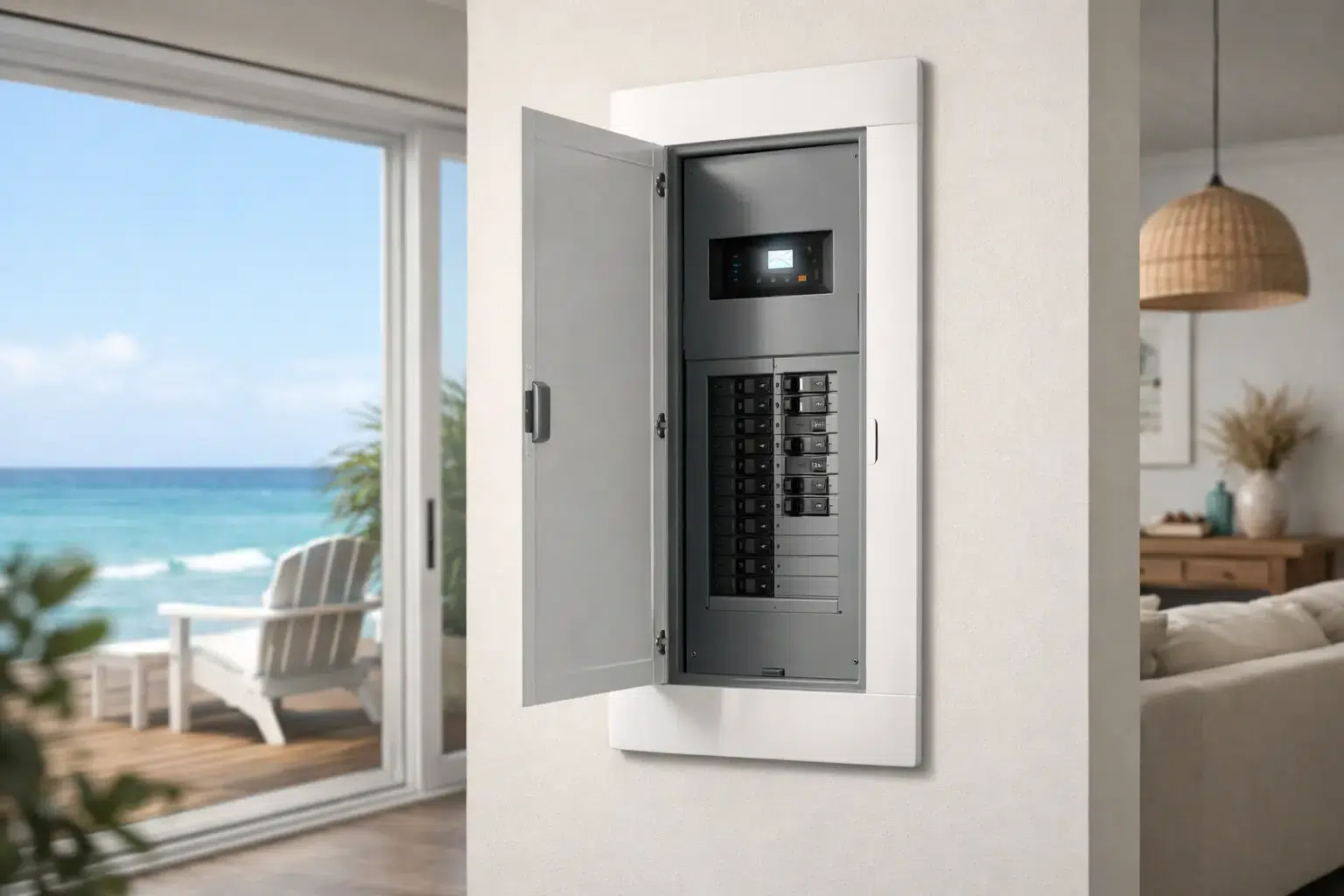
Smart Electrical Panel Review for Coastal Homes
A smart electrical panel can show which circuits are using power, alert you to unusual activity, and in some setups let you turn circuits off from a phone. That sounds useful, but a smart electrical panel review should start with a more practical question: will it solve a real problem in your home or property?
For many Gulf Coast homeowners, the answer depends on the age of the electrical system, plans for EV charging or backup power, and how much control they truly want. A smart panel is not automatically a replacement for good wiring, proper surge protection, or a correctly sized service. It is an added layer of visibility and control that works best when the foundation is already safe and capable.
What a smart electrical panel actually does
A conventional panel distributes power through breakers. A smart panel still does that job, but it adds monitoring technology and, in some models, circuit-level controls. Depending on the system, an owner may be able to see real-time energy use, review consumption by circuit, receive fault notifications, and remotely shut off selected circuits.
That can be more useful than a whole-home energy monitor, which often estimates usage without identifying every circuit. A panel with individual circuit controls may show that the pool equipment, water heater, HVAC system, or a particular appliance is responsible for a spike in usage. It can also make it easier to switch off nonessential loads when a property is vacant.
The level of control varies widely by product. Some systems are primarily monitoring tools. Others replace breakers with electronically controlled units and offer load management features for solar, battery storage, generators, or EV chargers. Homeowners should not assume every product marketed as a smart panel provides the same functions.
Smart electrical panel review: the strongest benefits
The best reason to consider this upgrade is not simply having another app. It is having useful information when power demands are growing.
An electric vehicle charger, additional HVAC equipment, electric water heater, hot tub, pool equipment, or a renovated kitchen can push an older electrical service closer to its limits. Smart load management can help coordinate certain high-demand loads so they do not operate at full demand at the same time. In the right application, that may reduce the need for a more extensive service upgrade. In other homes, a service upgrade is still the correct and safer answer.
Circuit-level visibility can also help property managers and second-home owners. If a circuit begins drawing more power than expected, the information may point to equipment that needs attention. A remotely controlled circuit can be convenient when preparing a vacant condo for a storm, checking on a rental turnover, or shutting down equipment that should not be running.
Backup power planning is another meaningful use. With a compatible generator or battery system, a smart panel may prioritize critical circuits such as refrigeration, lighting, internet equipment, medical devices, and selected outlets. Instead of backing up every circuit, the system can preserve available power for the loads that matter most.
Where smart panels have limits
A smart panel is not a safety inspection tool and cannot repair existing electrical problems. It will not correct loose connections, damaged wiring, overloaded circuits, water intrusion, or outdated equipment. If breakers are tripping, lights are flickering, outlets are warm, or corrosion is visible around the panel, those conditions need a qualified electrician’s attention before adding smart technology.
The technology also relies on proper installation, a reliable network connection for remote features, and continuing manufacturer software support. Most panels continue to perform their basic electrical function if internet service is unavailable, but app controls, notifications, and energy reporting may be limited. Owners should understand what functions are local, what functions depend on the cloud, and whether manual operation remains straightforward during an outage.
Cost is another real consideration. A basic energy monitor can be less expensive than a full smart panel replacement, while a full replacement can involve new breakers, panel work, permit requirements, service upgrades, and coordination with solar, battery, generator, or EV charging equipment. The right choice depends on the scope of the electrical project, not just the price of the panel itself.
Is it a good fit for a coastal Alabama home?
It can be, particularly for homes that already need electrical modernization. Gulf Shores and Orange Beach properties often face a combination of high cooling loads, seasonal occupancy, salt-air exposure, storm concerns, and growing demand for EV charging. A smart panel can provide useful control, but it should be selected as part of a complete plan.
For example, a homeowner adding an EV charger may benefit from a load calculation first. If the existing service has adequate capacity, the installation may be straightforward. If capacity is tight, load management may be an option. If the service, meter equipment, or panel is undersized or in poor condition, upgrading the infrastructure may provide more value than adding smart features alone.
For a vacation property, remote alerts and circuit status can offer peace of mind. Still, the panel should be protected from moisture and installed in an appropriate location. Coastal conditions make careful equipment selection, secure enclosures, correct grounding and bonding, and routine visual checks especially worthwhile. Smart technology does not remove the need for durable, code-compliant electrical work.
Questions to ask before buying
Before choosing a smart electrical panel, ask whether the product is listed for its intended use and whether it is compatible with the equipment you plan to keep or add. Compatibility matters for generators, transfer equipment, solar inverters, battery systems, EV chargers, and existing breaker configurations.
You should also ask what the installation includes. A complete estimate should clarify whether the project involves replacing the panel, installing a monitoring device, adding new circuits, upgrading the service, relocating equipment, correcting grounding or bonding issues, and obtaining permits and inspections. A low equipment price can look very different once the necessary electrical work is included.
It is equally helpful to decide which problem you want to solve. If you want to identify high energy use, a monitoring system may be enough. If you need to manage an EV charger alongside other heavy loads, a smart load-management solution may be more appropriate. If your goal is dependable backup power during an outage, panel selection should be coordinated with the generator or battery design from the beginning.
What installation should look like
A professional installation begins with an assessment of the existing service, panel condition, available capacity, and planned loads. The electrician should identify whether there is evidence of overheating, corrosion, improper wiring, insufficient space, or equipment that should be updated before smart controls are added.
The work may require a temporary power shutdown, so planning matters. After installation, the electrician should label circuits clearly, test the equipment, confirm app or network setup when applicable, and explain how to operate the panel manually. The owner should know which circuits are considered critical, how to respond to an alert, and when an issue calls for service rather than a reset from a phone.
A smart electrical panel is most valuable when it supports a well-built electrical system instead of trying to compensate for an aging one. If you are considering an EV charger, generator, battery backup, solar, or a panel upgrade, have the whole system evaluated first. MNE Electric can help Gulf Coast property owners determine whether smart controls belong in the plan or whether a more basic electrical improvement will deliver better long-term value.