
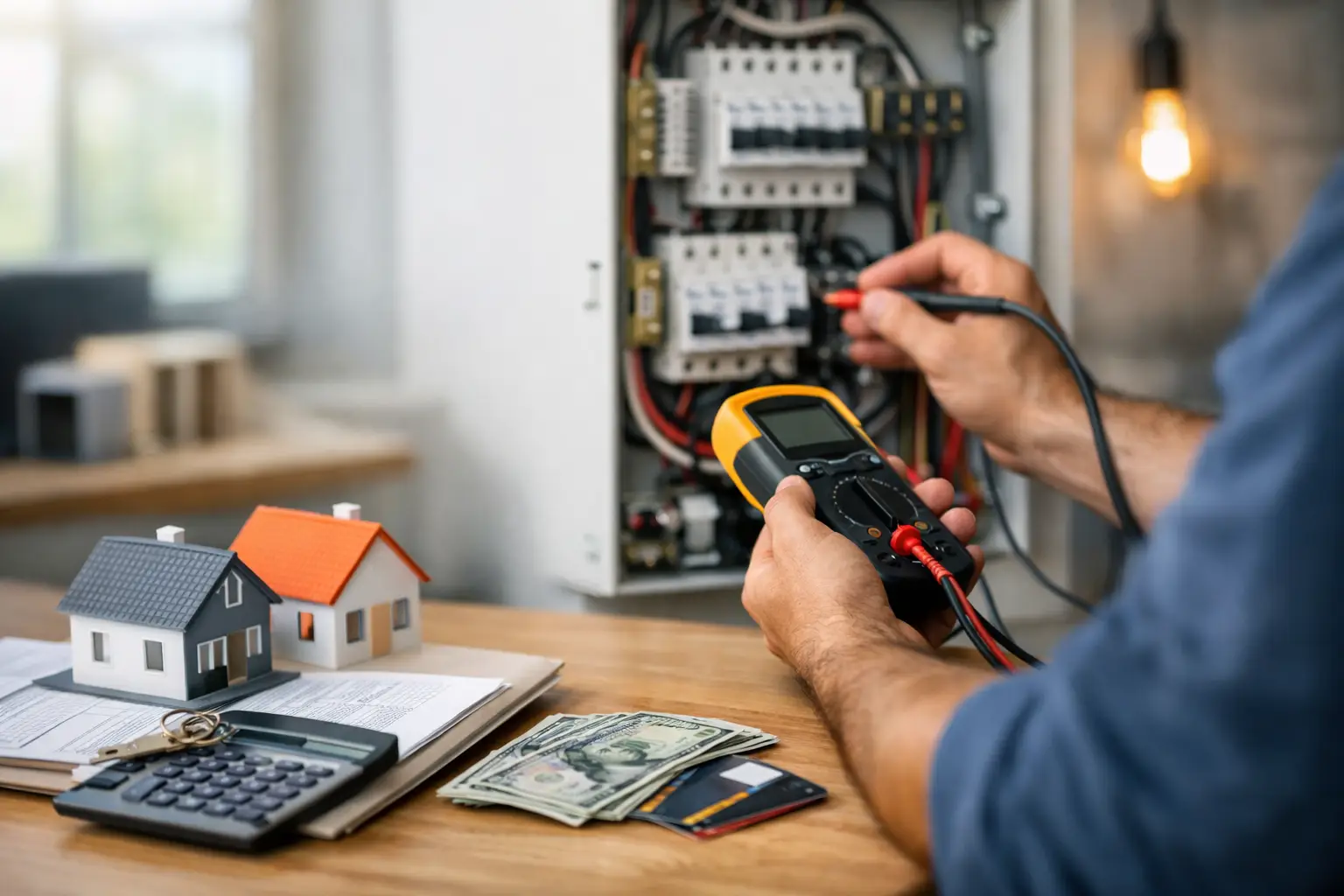
How to Finance Electrical Upgrades Safely
A panel that trips whenever the air conditioner starts, an outdated breaker box, or a property without backup power is more than an inconvenience. These issues can limit how safely and reliably a home or business operates. Knowing how to finance electrical upgrades helps you address the work at the right time instead of postponing a necessary repair or improvement because the full cost is not sitting in a savings account.
The best financing choice depends on the scope of work, the urgency, your available equity, and how long you plan to own the property. A small circuit addition has different financing needs than a whole-home service upgrade, generator installation, or commercial electrical renovation. Start with a clear project plan and a detailed estimate from a qualified electrical contractor. Then compare options based on total cost, payment terms, and flexibility – not just the lowest monthly payment.
Start With the Electrical Need, Not the Loan
Financing should support a properly designed electrical solution. It should not push you toward a smaller job that leaves the underlying problem unresolved or a larger project that does not fit your needs.
For example, adding one outlet may be appropriate for a simple convenience issue. But if a panel is overloaded, breakers are failing, or a building’s power demand has outgrown its service, the right answer may be a panel upgrade, new circuits, or a service upgrade. In Gulf Shores, Orange Beach, and nearby coastal communities, property owners may also need to plan for generator capacity, surge protection, elevated equipment requirements, or electrical improvements after storm damage.
Ask for an estimate that separates the essential work from optional additions. A homeowner installing an EV charger, for instance, may need a dedicated circuit and may also benefit from a panel evaluation. A business updating equipment may need engineering, new distribution equipment, or code-related corrections in addition to the equipment connection itself. Seeing those costs clearly makes financing decisions more practical.
How to Finance Electrical Upgrades: Common Options
There is no single best financing method. The right option is the one that funds safe, quality work while fitting your budget and timeline.
Contractor financing for planned projects
Many electrical contractors offer financing for qualifying projects, often with options for work above a minimum project amount. This can be a straightforward choice when you want the contractor, estimate, and financing process coordinated in one place.
Contractor financing may work well for service upgrades, generators, EV charger installations, major rewiring, lighting improvements, and other planned projects. Before accepting an offer, review the interest rate, repayment period, fees, deferred-interest terms, and whether there is a penalty for paying early. A low monthly payment can be useful, but a longer term may increase the total amount paid.
MNE Electric offers financing options for projects over $1,000, helping property owners move forward with larger electrical work without delaying a needed upgrade. Approval, available terms, and project eligibility can vary, so ask for current details before making a decision.
Savings or a phased payment plan
Paying from savings avoids loan interest and keeps the project simple. It is often a good fit for smaller upgrades, such as surge suppression, a few new circuits, lighting updates, or repairs that do not require immediate action.
The trade-off is liquidity. Avoid draining an emergency fund for an elective improvement, especially in a coastal area where storm-related expenses can arise quickly. If the project is not urgent, you may be able to complete critical safety work first and schedule lower-priority improvements later. A contractor can help identify what should be addressed now and what can reasonably wait.
Home equity loan or HELOC
A home equity loan or home equity line of credit, commonly called a HELOC, can offer competitive rates for substantial home improvements. A home equity loan generally provides a lump sum with predictable payments. A HELOC works more like a revolving credit line, which can be useful if work will occur in phases or if final costs may change after necessary repairs are uncovered.
These options are usually better suited to larger projects because they can involve an application process, closing costs, and more time than contractor financing or an unsecured personal loan. They also use your home as collateral. That makes careful budgeting essential. Consider this route for a major electrical modernization only if you understand the repayment obligation and have enough room in your monthly budget.
Personal loans
An unsecured personal loan does not require you to use your home as collateral. Funds may be available relatively quickly, and fixed payments can make budgeting easier. For many homeowners, this is a reasonable middle ground for projects that are too large for savings but do not justify tapping home equity.
Rates depend heavily on credit profile, income, loan term, and lender. Compare the annual percentage rate and total repayment amount, not just the advertised rate. A shorter loan term typically means a higher monthly payment but less interest over time.
Credit cards for limited, short-term costs
Credit cards can make sense for a small, urgent expense that you can pay off quickly, particularly if a promotional rate applies. They are usually a poor fit for major electrical work when the balance will carry for many months. Standard credit card interest can make a necessary upgrade much more expensive than it needs to be.
If you use a promotional offer, read the terms closely. Deferred-interest promotions can charge interest retroactively if the balance is not paid in full by the deadline. Set a payment schedule that clears the balance well before that date.
Insurance, reserves, and commercial financing
Storm damage, fire damage, or other covered losses may be eligible for insurance reimbursement, depending on the policy and cause of damage. Insurance typically does not pay for ordinary aging, code upgrades unrelated to a covered loss, or elective improvements. Document the damage, speak with your insurer, and obtain a detailed electrical assessment before assuming what is covered.
For condo associations, property managers, and business owners, capital reserves may be the first source of funding for planned electrical improvements. When reserves are insufficient, a business loan, line of credit, or equipment financing may be appropriate. The key question is whether the upgrade supports operations, protects equipment, improves tenant safety, or prevents costly downtime. A generator, electrical service upgrade, or modernized distribution system may be easier to justify when measured against the cost of interrupted operations.
Compare the Total Cost Before You Commit
A financing offer can look attractive because of its payment amount, but the monthly figure is only part of the decision. Compare the project cost, interest rate or APR, loan term, required down payment, fees, and total amount repaid. Also confirm when payments begin and whether the lender allows early payoff without a penalty.
It helps to compare two or three realistic options using the same project amount. For example, a 12-month plan may require more each month than a five-year loan, but it could save a meaningful amount in interest. On the other hand, a longer term may be the better choice if it preserves cash flow for your household or business.
Do not finance more than the job requires simply because credit is available. At the same time, be cautious about choosing the lowest bid if it leaves out permit requirements, code corrections, proper materials, or the capacity needed for future demand. Electrical work is an investment in safety and reliability. Quality workmanship matters long after the final payment is made.
Prioritize Safety-Critical Work
Some electrical concerns should not wait for a preferred financing rate. Repeated breaker trips, burning odors, hot outlets, flickering lights, water intrusion near electrical equipment, damaged service components, and obsolete or unsafe panels all deserve prompt evaluation.
An electrician can distinguish between an urgent hazard, a repair that should be scheduled soon, and an upgrade that can be planned around your budget. That distinction is valuable. It prevents panic spending while making sure legitimate safety risks are handled promptly.
For planned improvements, consider bundling related work. If a panel has limited capacity and you expect to add an EV charger, generator connection, pool equipment, or major appliance circuit within the next few years, completing the service upgrade once may cost less than opening the panel and permitting separate projects multiple times. It depends on the property’s present capacity and your future plans, but it is worth discussing before financing begins.
Questions to Ask Before Signing
Ask your contractor what the estimate includes, whether permits and inspections are required, and what conditions could change the price. Ask the financing provider for the APR, payment schedule, total repayment amount, late-payment terms, and early-payoff policy. If the work is for a rental, condo, or commercial property, confirm who has authority to approve the project and how costs will be allocated.
A dependable contractor should be comfortable explaining the scope in plain language. You should know what is being installed, why it is needed, and what the finished system will support. That clarity protects your budget as much as it protects your property.
The right time to plan electrical financing is before a manageable issue becomes an urgent disruption. Get a clear assessment, fund the work in a way that fits your cash flow, and choose a solution built to keep your property safely powered for years to come.