
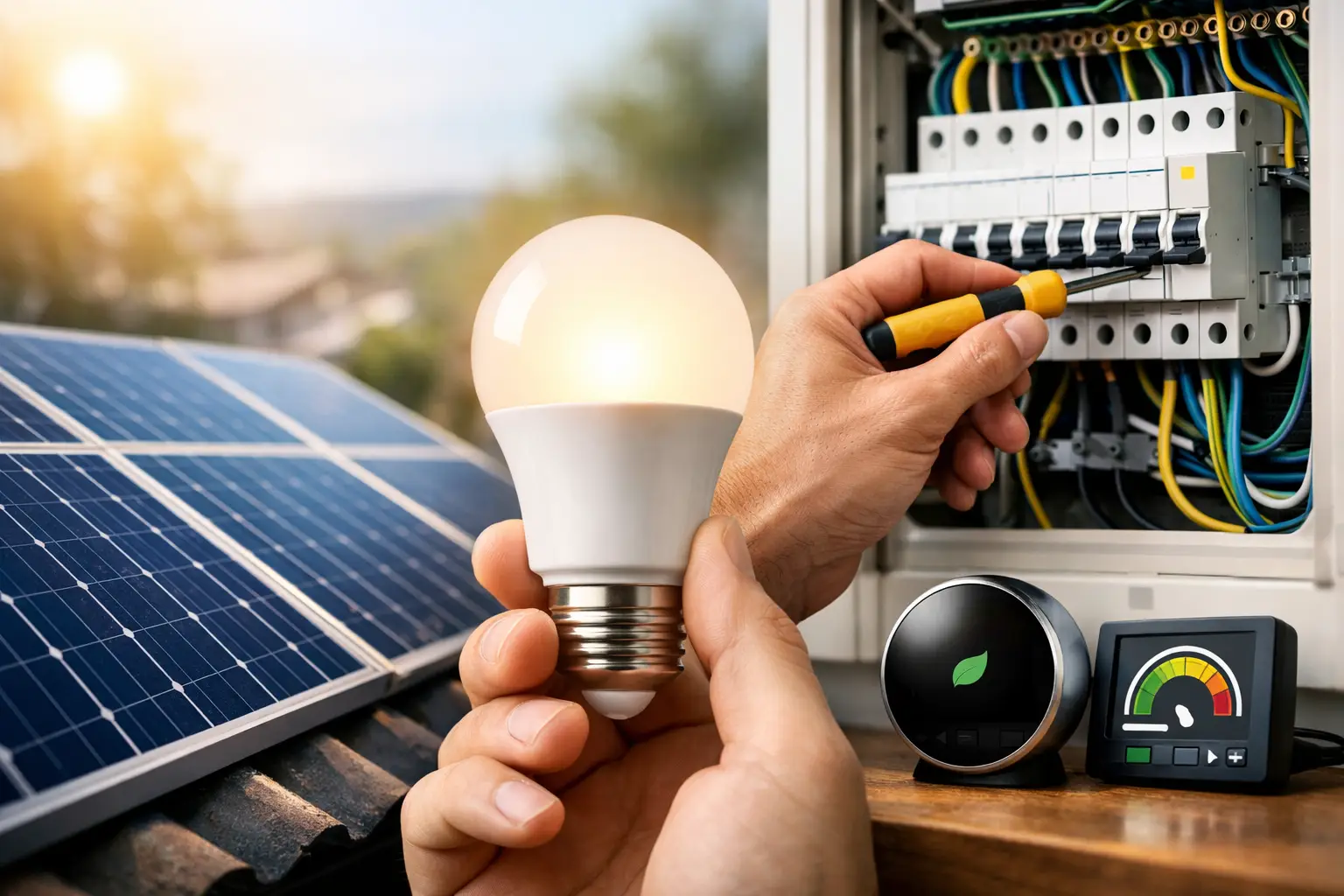
Energy Efficient Electrical Upgrades That Pay Off
A high electric bill is not always caused by one failing appliance. Often, it reflects years of small electrical decisions: outdated lighting, equipment running when no one is using it, undersized circuits, or a panel that was never designed for modern demand. Energy efficient electrical upgrades address those problems at the electrical system level, helping homes and businesses use power more wisely while improving safety and reliability.
For property owners along the Gulf Coast, efficiency has an added practical value. Air conditioning systems work hard for much of the year, coastal humidity puts equipment through demanding conditions, and vacation properties may sit empty for periods before suddenly operating at full capacity. The right upgrade depends on the property, its electrical capacity, and how the space is actually used.
Start With How Your Property Uses Power
The best upgrade is rarely the most expensive item on the market. It is the one that solves a real source of energy waste or prevents an electrical limitation from becoming a larger problem.
A homeowner may benefit most from replacing old lighting and adding controls in frequently used areas. A condo owner may need dedicated circuits for new appliances or an EV charger. A restaurant, retail space, or rental property may see stronger results from lighting controls, equipment scheduling, and an electrical distribution review.
Before selecting equipment, consider when your electric use climbs. Are lights left on in common areas? Does the panel feel crowded after years of additions? Are portable heaters, extension cords, or power strips doing work that should be handled by permanent wiring? Do certain circuits trip when the property is busy? These details help identify whether the priority is reducing waste, increasing capacity, correcting a safety issue, or all three.
Lighting Upgrades Usually Deliver Fast Results
Lighting is one of the most accessible places to improve efficiency, especially in homes and commercial spaces still using older bulbs or fixtures. LED lighting uses substantially less energy than traditional incandescent lighting and typically lasts much longer. That means fewer replacement trips in high ceilings, stairwells, exterior areas, and rental properties.
The fixture matters as much as the bulb. An outdated recessed fixture, fluorescent troffer, or exterior floodlight may not perform well with a simple bulb swap. A properly selected LED fixture can provide better light distribution, color quality, and durability for the location.
Add Controls Where They Make Sense
Controls prevent energy from being used when it provides no benefit. Occupancy sensors work well in bathrooms, closets, storage rooms, laundry areas, utility rooms, and back-of-house commercial spaces. Timers and photocells are useful for exterior lighting, while dimmers can reduce output in rooms that do not need full brightness all the time.
Controls are not a fit for every space. In a busy hallway or a room where someone may remain still for long periods, an occupancy sensor can be frustrating if it turns lights off too quickly. A qualified electrician can help choose the right control type, placement, and settings instead of treating every room the same.
Panel and Circuit Improvements Support Modern Efficiency
Efficiency upgrades can reveal an older electrical system’s limits. A house built before widespread use of large HVAC systems, electric cooking appliances, computers, pool equipment, and EV charging may not have enough capacity or properly distributed circuits for current needs.
A service or panel upgrade does not directly make every device consume less electricity. Its value is providing a safe, organized foundation for equipment that can. It may make room for a heat-pump water heater, new HVAC controls, induction cooking, an EV charger, or dedicated circuits that replace unsafe extension-cord use.
An overloaded or outdated panel can also create practical obstacles. Frequent tripping, warm breakers, flickering lights, corrosion, and a lack of open breaker spaces are reasons to schedule a professional evaluation. Adding larger breakers without verifying wire size, load calculations, and panel capacity is not an energy solution and can create a serious fire hazard.
Do Not Confuse More Capacity With More Consumption
Increasing electrical capacity gives a property room to operate safely. Whether the utility bill rises or falls afterward depends on the equipment installed and how it is used. A properly designed upgrade can support efficient appliances and future improvements, but it should be planned around the property’s real load rather than guesswork.
This is particularly relevant for coastal homes that are being renovated, converted to rentals, or equipped with added amenities. A project that starts with new lighting may later include a pool pump, outdoor kitchen, generator connection, dehumidification equipment, or EV charger. Planning the electrical system with those likely needs in mind can reduce the cost and disruption of revisiting the work later.
Manage High-Use Equipment With Better Electrical Planning
Heating and cooling equipment usually accounts for a major share of a Gulf Coast property’s power use. While HVAC replacement belongs with a licensed HVAC professional, electrical upgrades can support more efficient operation through correctly sized circuits, disconnects, controls, and power quality protection.
For example, a smart thermostat may help reduce unnecessary run time when installed and configured around the property’s schedule. That can be especially useful for second homes and vacation rentals, where cooling an empty space at an occupied-home setting wastes energy. The goal is not to let humidity become a problem. It is to maintain reasonable temperature and humidity settings without running equipment harder than necessary.
Ceiling fans are another practical tool. They do not lower the room temperature, but they improve comfort through air movement, allowing occupants to use a slightly higher thermostat setting in many situations. A properly installed, correctly sized fan with an efficient motor can be a worthwhile addition to bedrooms, living areas, covered porches, and hospitality spaces.
Consider EV Charging as Part of the Electrical Plan
For homeowners and businesses adding electric vehicle charging, a dedicated circuit and professionally installed charger provide a more dependable solution than relying on a standard outlet. Charging requirements vary by vehicle, charger type, available panel capacity, and how quickly the vehicle needs to charge.
An EV charger can increase a property’s electric use, so it is not an efficiency upgrade in the narrow sense. Still, it can be part of a more energy-conscious transportation plan and should be evaluated alongside other electrical loads. Load management options may be appropriate when panel capacity is limited, but they must be selected and installed correctly.
Businesses, condo associations, and rental property operators should also think beyond the first charger. Installing conduit or allowing room in the electrical design for future chargers can be less disruptive than opening walls or parking areas again when demand grows.
Protect Efficient Equipment From Power Events
Modern appliances, LED drivers, HVAC controls, smart devices, and EV charging equipment contain sensitive electronics. Surge protection does not reduce routine energy consumption, but it helps protect the equipment you have invested in from voltage spikes caused by lightning, utility disturbances, and switching events.
Whole-home or whole-building surge suppression is especially worth discussing in areas prone to storms. It works best as part of a layered approach, with service-level protection installed by an electrician and appropriate point-of-use protection for sensitive electronics where needed. No surge device can promise protection from every event, but a properly designed system can reduce avoidable risk.
Make Efficiency Work for the Long Term
The most useful energy improvements are coordinated, not random. Replacing a few bulbs is a good first step, but a property with an aging panel, overloaded circuits, corroded exterior equipment, or recurring breaker issues needs a broader conversation. Safety repairs should come before convenience upgrades, and planned renovations are often the right time to improve wiring, capacity, and controls behind the walls.
For commercial properties, an energy-focused electrical review can also help identify maintenance concerns before they affect tenants, guests, staff, or operations. Exterior lighting, parking areas, signage, common spaces, and electrical rooms all deserve attention because small inefficiencies can multiply across long operating hours.
MNE Electric helps Gulf Shores-area property owners evaluate upgrades based on the condition of the system, the way the property is used, and the improvements planned next. For larger projects, financing options may also make it easier to complete needed work without delaying the parts of the project that affect safety or reliability.
A practical next step is to write down the electrical issues you see most often: lights that stay on, breakers that trip, equipment you want to add, and rooms that never seem comfortable. That short list gives a qualified electrician a clear starting point for building an upgrade plan that serves the property well now and leaves it ready for what comes next.