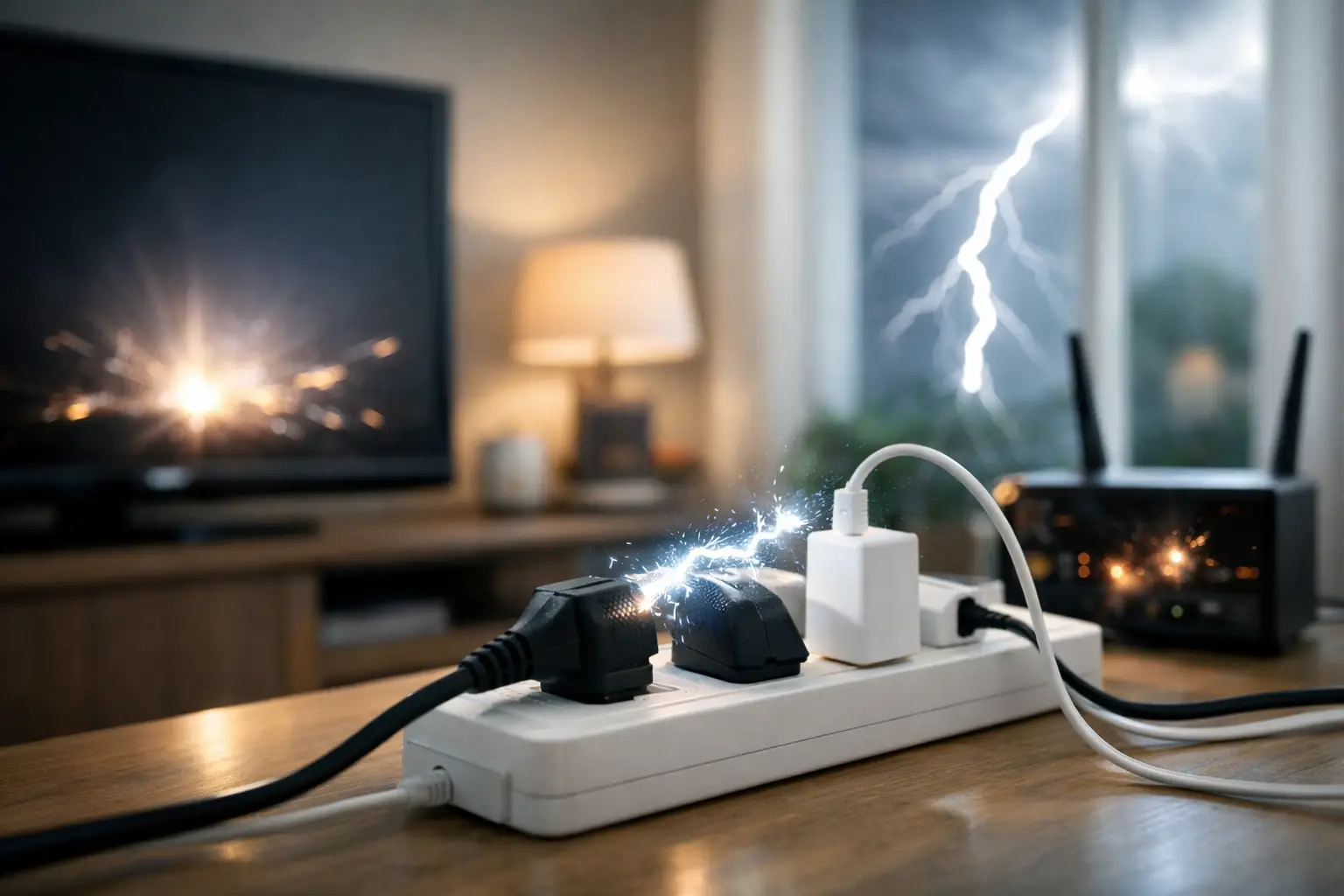
EV Charger Installation Guide for Homeowners

EV Charger Installation Guide for Homeowners

Most EV charger problems start before the charger is even mounted. The issue is usually the panel, the circuit capacity, or choosing equipment that does not fit how the vehicle is actually used. A good EV charger installation guide helps you avoid that kind of expensive guesswork and get a setup that works day after day.

For most homeowners, the goal is simple. You want reliable overnight charging, safe electrical work, and a system that fits your house without creating future problems. That means looking beyond the charger itself and paying attention to your service size, panel space, placement, permitting, and the condition of the wiring that will support the new load.

What this EV charger installation guide should help you decide

The first decision is whether you really need a Level 2 charger. Some drivers can get by with Level 1 charging from a standard household outlet, especially if they drive short distances and have plenty of time to recharge. But if you drive daily, own a larger battery EV, or want shorter charging times, Level 2 is usually the practical choice.

Level 2 chargers use a 240-volt circuit, similar to what powers larger appliances. That allows the vehicle to charge much faster than a standard 120-volt outlet. The exact speed depends on the charger rating, the vehicle’s onboard charging capability, and the electrical capacity available at the property.

This is where a lot of homeowners run into trade-offs. A higher-powered charger sounds better, but it is not always necessary. If your driving habits only require a moderate overnight charge, a lower-amperage setup may cost less to install and still meet your needs. Bigger is not always smarter if it forces a panel upgrade you do not actually need.

Start with your electrical system, not the charger

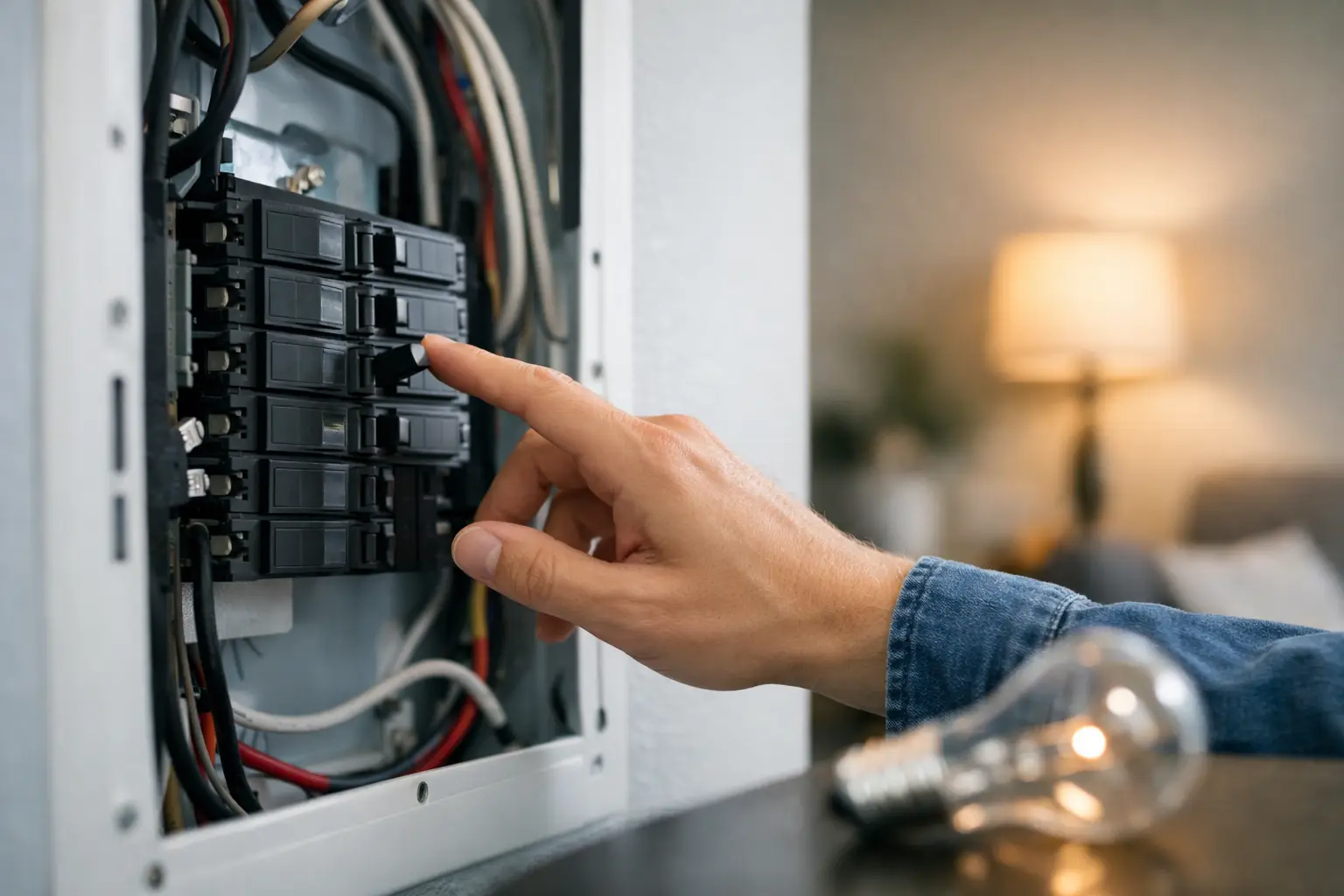
Before choosing a charger brand or app features, the electrical system needs to be evaluated. A licensed electrician should confirm whether your panel has enough capacity for a dedicated EV circuit and whether there is physical space for the required breaker.

In some homes, installation is straightforward. The panel has available capacity, the parking area is close by, and the charger can be mounted with a short, direct run. In other homes, the panel may already be near its limit, especially in properties with electric water heaters, HVAC systems, pool equipment, or recent additions.

If the panel is full or undersized, you may need a service upgrade, a subpanel, or load management equipment. The right answer depends on the home and how power is used across the property. A qualified electrician can calculate the load rather than guessing based on the age of the home or the size of the panel alone.

Older homes and coastal properties often deserve a closer look. Corrosion, weather exposure, and previous electrical modifications can all affect how easy or complicated the installation becomes. In Gulf Shores and Orange Beach, that matters because outdoor electrical equipment has to hold up in heat, humidity, and salt air.

Hardwired or plug-in charger?

This is one of the most common questions in any EV charger installation guide, and the answer depends on your priorities.

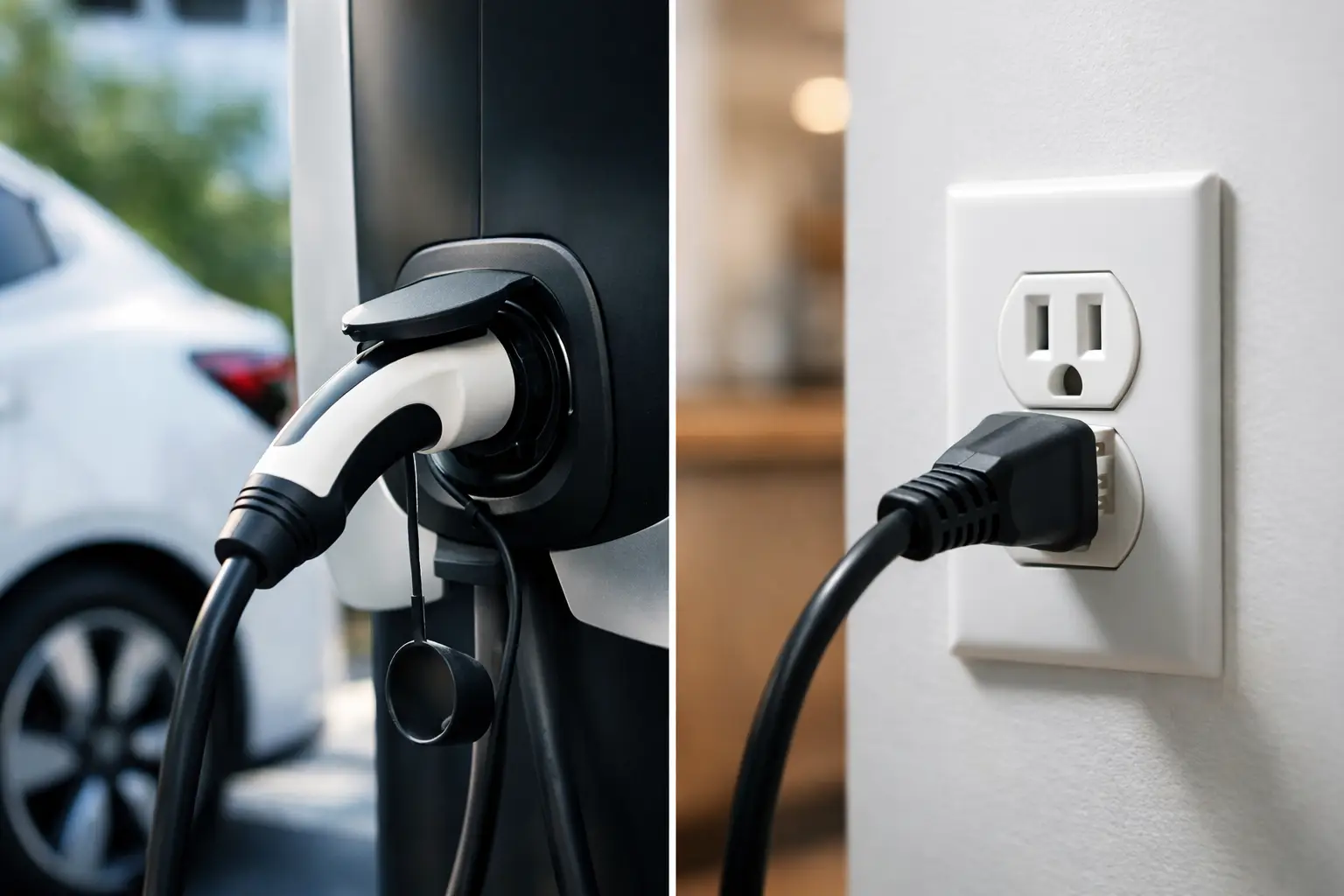
A hardwired charger is connected directly to the electrical circuit. This option is often preferred for durability, a cleaner finished look, and fewer points of failure. It can also make sense for higher-amperage installations or for outdoor applications where equipment strength and weather resistance matter.

A plug-in charger connects to a properly installed 240-volt receptacle. That can make replacement easier later, and some homeowners like the flexibility of unplugging the charger if needed. But the receptacle and plug must be rated correctly, installed properly, and matched to the charger’s power requirements. This is not a place for shortcuts.

If the charger will live outdoors, your electrician may recommend one option over the other based on exposure, code requirements, and long-term reliability. The best choice is not just about convenience. It is about safety, performance, and the environment where the charger will be used.

Where the charger should go

Placement affects daily convenience more than many people expect. The charger should be close enough to the vehicle’s charging port without stretching the cable tight across walkways, garage doors, or drive areas. A clean install is not just about appearance. It helps reduce wear on the cable and lowers the chance of damage.

Garage installations are often simpler because the equipment is protected from weather. Outdoor installations can work just as well when the charger is rated for that environment and mounted correctly. The location should allow safe access, proper clearances, and practical cable management.

For condos, rental properties, and commercial sites, placement gets more complicated. Shared parking, access control, metering, and future expansion all need to be considered early. A charger that works for one assigned parking space may not be the right long-term solution if multiple users will need charging later.

Permits, code, and inspection matter

A professional EV charger installation is not just a convenience upgrade. It is an electrical addition that must meet code. Permits and inspections help make sure the circuit, breaker sizing, wiring method, grounding, and equipment installation are done safely.

Skipping that process can create real problems. It may affect homeowner insurance, complicate a home sale, or leave hidden hazards behind the wall or at the panel. A charger draws a sustained electrical load, and that is exactly why code compliance matters.

A licensed contractor should know what is required locally and handle the work accordingly. For homeowners, that means fewer surprises and more confidence that the installation is being done correctly the first time.

What affects EV charger installation cost

There is no one-price answer because every property is different. The charger itself is only one part of the total cost. The bigger variables are often labor, circuit length, panel condition, and whether any upgrades are needed.

A basic installation is usually less expensive when the electrical panel is close to the parking area, capacity is available, and the wall is easy to access. Costs rise when the wiring run is long, trenching is required, drywall or finish surfaces must be opened and repaired, or the panel needs modifications.

Panel upgrades can change the budget significantly, but sometimes they are the right investment. If a home is already showing signs that electrical demand has outgrown the existing service, adding EV charging may simply bring that issue to the surface. In that case, upgrading the service does more than support the charger. It improves the safety and usability of the whole property.

Choosing the right charger for how you live

Not every homeowner needs the same setup. If you drive a modest daily commute and charge overnight, a standard residential Level 2 charger may be more than enough. If you have two EVs or expect to add another one soon, it may be worth planning for shared charging capability or a system that can be expanded later.

Smart charger features can also be useful, but only if you will actually use them. Scheduling, usage tracking, and app controls can help manage charging times and energy use. Still, reliability should come first. A simple, dependable charger is often the better choice than one loaded with features that add complexity without much benefit.

For businesses and multifamily properties, the decision usually goes beyond charging speed. Access control, billing options, user management, and future infrastructure needs become part of the conversation. A charger that suits a single-family garage may not fit a property where several users need access.

Why professional installation is the safer choice

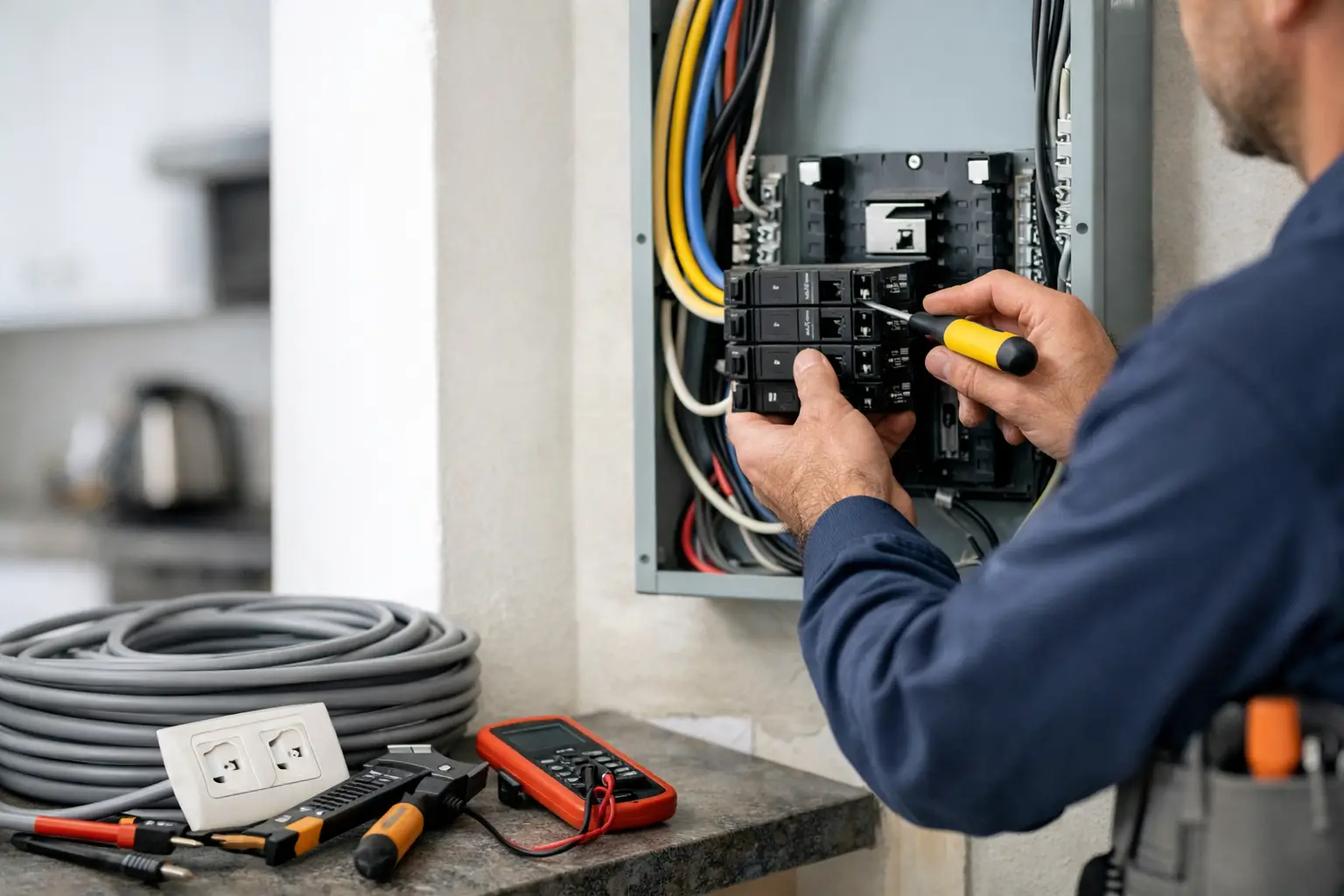
Installing an EV charger is not comparable to swapping a light fixture or outlet. It involves sustained load calculations, dedicated circuit design, breaker sizing, conductor selection, proper terminations, equipment mounting, and code compliance. Mistakes can lead to nuisance tripping, charging failures, overheated components, or fire risk.

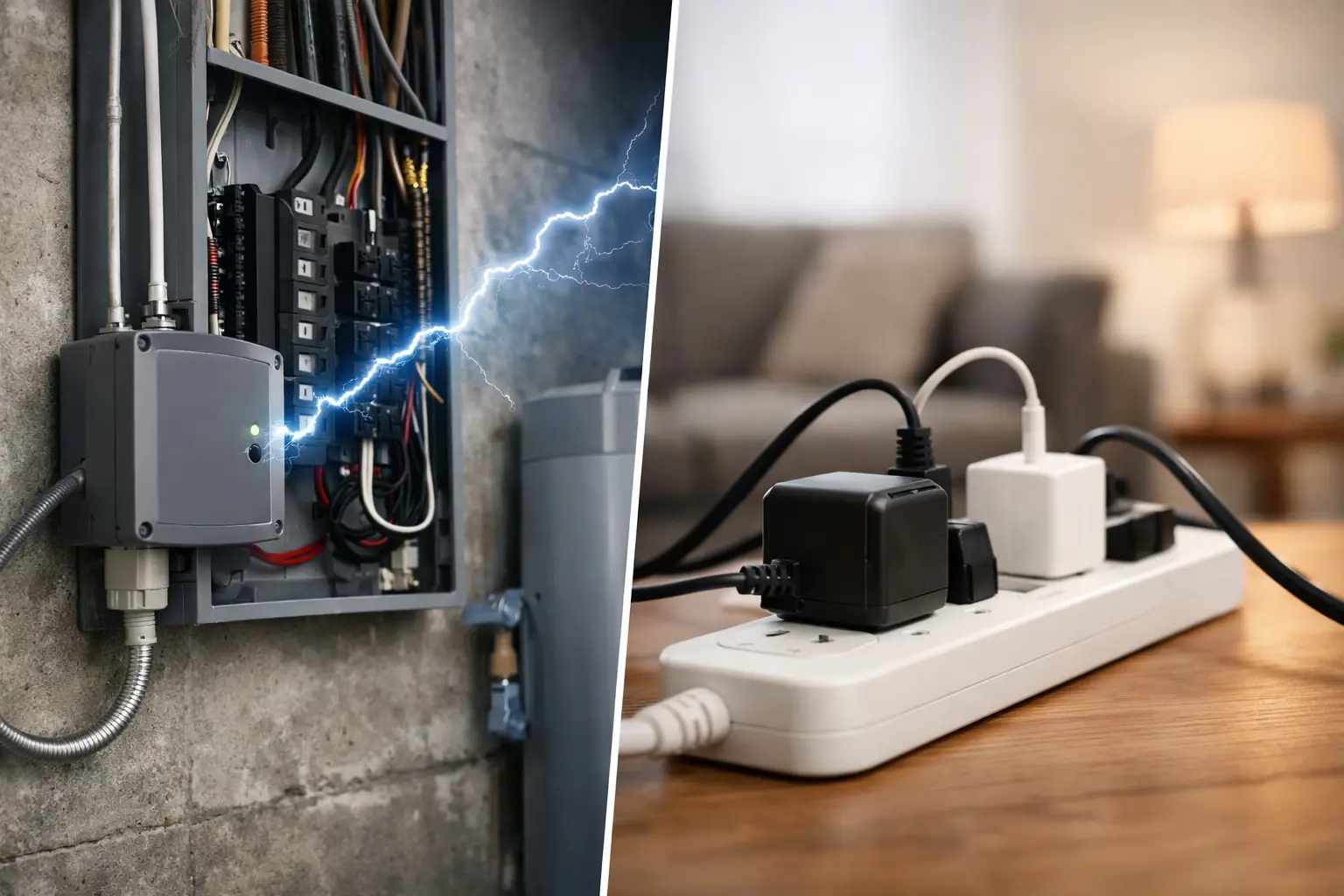
Professional installation also helps you avoid common planning mistakes, like placing the charger where the cable will not comfortably reach, choosing an amperage level the home cannot support, or overlooking the need for surge protection. These details matter because EV charging is something you will rely on regularly, not occasionally.

When the work is done by certified electricians who understand both residential systems and modern charging equipment, you are far more likely to end up with a setup that performs the way it should.

Preparing for your estimate

If you are scheduling an estimate, it helps to know your vehicle model, where you usually park, whether the charger will be indoors or outdoors, and if you expect to add another EV later. Photos of the panel and parking area can also make the first conversation more productive.

A good contractor will look at the full picture, not just the charger on the wall. That includes your electrical capacity, the layout of the home or property, the installation path, and the best way to deliver safe, dependable charging with as little disruption as possible.

If you are planning a home EV charger in Gulf Shores or nearby, working with a local electrical contractor like MNE Electric can be especially valuable when weather exposure, coastal conditions, and existing system limitations are part of the job. The right installation should feel simple once it is finished, even if careful planning is what made that possible.

The best EV charger setup is not the one with the most power or the most features. It is the one that fits your property, supports your driving habits, and works safely every time you plug in.

Residential Electrician Services That Matter

Residential Electrician Services That Matter

A breaker that trips once may be a nuisance. A breaker that trips every week is your home telling you something is wrong. That is where residential electrician services matter most – not just when the power goes out, but when your wiring, panel, outlets, or equipment are no longer keeping up with the way you live.

For homeowners, condo owners, and property managers, electrical work is rarely about one isolated fix. A flickering light can point to a loose connection. A dead outlet may be tied to a larger circuit issue. A new appliance, EV charger, or generator may require more than a quick installation. Good electrical service means identifying the real problem, correcting it safely, and making sure the system supports your home now and in the years ahead.

What residential electrician services actually cover

Most people call an electrician when something stops working. That is understandable, but residential work usually falls into a few broader categories: repairs, installations, upgrades, safety improvements, and planning for new power demands.

Repairs are the most immediate need. These include outlets that have stopped working, light switches that fail, breakers that trip repeatedly, partial power loss, damaged wiring, and fixtures that buzz, spark, or overheat. In older homes, even a small symptom can trace back to worn connections, outdated components, or circuits that were never designed for modern loads.

Installations are often driven by home improvement projects or changes in daily life. That might mean adding recessed lighting, ceiling fans, dedicated circuits for appliances, outdoor lighting, or new outlets in more useful locations. In coastal homes and rental properties, dependable installation matters because electrical systems are expected to handle heavy seasonal use and changing occupancy without trouble.

Upgrades are where many homeowners get the most long-term value. If your panel is undersized, your service is outdated, or your home has added larger equipment over time, a repair alone may not solve the underlying issue. Panel upgrades, service upgrades, surge suppression, and code-conscious improvements help a home operate more safely and more reliably.

When a repair is enough and when it is not

One of the most common misconceptions about residential electrical problems is that the visible symptom is the whole issue. Sometimes it is. A worn switch can simply be a worn switch. But often, the part you notice is only where the problem shows up.

If an outlet stops working after years of use, replacing the outlet may be the correct fix. If multiple outlets fail, or the replacement also shows signs of heat damage, the issue may involve the circuit, the wiring connection, or the panel. The same goes for light fixtures that flicker. The cause could be a bad bulb, but it could also be a loose neutral, incompatible dimmer, or overloaded circuit.

This is why experienced residential electrician services focus on diagnosis first. A fast response matters, but so does getting the work right the first time. Homeowners are not served well by temporary fixes that leave hidden hazards in place.

Residential electrician services for modern homes

The average home uses more power today than it did even ten years ago. That shift is changing what homeowners need from their electrical contractor.

Kitchen appliances are larger and more specialized. Home offices add daily load. HVAC systems, tankless water heaters, security systems, pool equipment, and smart home devices all place demands on the electrical system. Then there are newer needs that were not part of residential planning in older homes at all, especially EV chargers and backup power.

EV charger installation at home

An EV charger is one of the clearest examples of why electrical work should be planned, not improvised. Charging from a standard outlet may be slow and impractical for daily driving. Installing a Level 2 charger can make ownership much easier, but it usually requires evaluation of panel capacity, breaker space, wiring path, and charger location.

The right setup depends on the vehicle, the home, and how the owner uses it. Some homes can support a charger with minimal changes. Others need a panel upgrade or load management solution first. A qualified electrician will look at the full system, not just mount the equipment.

Generator installation and backup power

Storm preparedness is a practical concern for many coastal Alabama homeowners. Generator installation is not just about convenience. It can protect refrigeration, medical devices, communications, and basic comfort during outages.

The trade-off is cost and complexity. Portable generator connections and whole-home standby systems serve different needs. A smaller solution may cover essentials at a lower upfront cost, while a standby generator offers broader coverage and automatic operation. The right choice depends on your budget, your risk tolerance, and what you need powered when the grid goes down.

The value of service upgrades and panel work

A surprising number of residential issues trace back to a panel that is simply too old, too small, or too stressed. If your home has frequent breaker trips, limited room for expansion, signs of overheating, or known outdated equipment, a service upgrade may be the smarter move than repeated repairs.

This is especially true when homeowners are planning several improvements at once. If you are adding an EV charger, replacing major appliances, updating lighting, and considering a generator connection, it makes sense to assess overall capacity before installing piece by piece.

Panel and service work is not glamorous, but it is foundational. It gives the rest of the home a safer and more stable electrical base. It also reduces the chance that future projects will be delayed by capacity issues.

Safety improvements that homeowners often put off

Electrical hazards are easy to ignore when everything appears to work. That can be a mistake. Many safety improvements are not dramatic projects. They are targeted corrections that reduce risk in kitchens, bathrooms, garages, outdoor areas, and older parts of the home.

Ground fault protection, arc fault protection, proper grounding, surge suppression, weather-resistant devices, and code-conscious repairs all play a role. These updates are especially relevant after renovations, storm damage, or a home purchase. An inspection can reveal issues that do not show up in daily use but still need attention.

For rental properties and condos, this matters even more. Owners and managers are responsible for providing safe, reliable systems to occupants. Waiting until a complaint becomes an emergency usually costs more and creates more disruption.

Choosing the right residential electrician services

Homeowners do not need a sales pitch. They need confidence that the company entering their home knows what it is doing, communicates clearly, and stands behind the work.

That starts with certified, experienced technicians who can handle both small service calls and larger projects. It also means being realistic about scope. Sometimes a quick repair is all that is needed. Other times, the honest answer is that the home would benefit from a larger upgrade. Good contractors explain the difference in plain language so customers can make informed decisions.

Responsiveness matters too. If power is out in part of the house or a panel is showing warning signs, waiting days for a callback is frustrating at best and risky at worst. A dependable local electrical contractor should be prepared to respond promptly, assess the issue carefully, and provide a clear path forward.

In Gulf Shores and nearby communities, that local knowledge adds real value. Coastal conditions, storm exposure, second-home occupancy patterns, and seasonal use can all affect how electrical systems are maintained and upgraded. A contractor familiar with those realities is often better equipped to recommend practical solutions.

Planning larger projects without cutting corners

Some residential electrical projects are easy to delay because they feel optional. A panel upgrade, generator installation, or whole-home surge protection may not seem urgent until there is a failure or outage. The challenge is that waiting often narrows your options.

Planning ahead gives homeowners more control over budget, scheduling, and design. It also allows the electrician to look at related needs together. For example, if a panel upgrade, EV charger, and surge suppression are all likely within the next year, coordinating them can reduce repeat labor and avoid piecemeal decisions.

Cost is part of the conversation, and it should be. Larger projects are meaningful investments. In some cases, financing can make the right long-term solution more realistic than settling for a short-term patch. What matters is choosing work that matches how you actually use the home, not just what seems cheapest in the moment.

The best residential electrician services are not about selling the biggest job. They are about making sure your home is safe, properly powered, and prepared for what comes next. If something in your electrical system has been giving you reason to wonder, that is usually enough reason to have it checked before it becomes a bigger problem.

How to Install EV Charger at Home

How to Install EV Charger at Home

Most EV charger projects look simple until you get to the panel. That is usually where the real decision gets made – whether your home is ready for a fast, safe installation or whether it needs electrical work first. If you are researching how to install EV charger equipment at home, the short answer is this: the charger itself is only part of the job. The circuit, panel capacity, breaker sizing, wiring path, permits, and final testing matter just as much.

For homeowners, condo owners, and property managers, that matters because charging reliability is not a luxury feature. It is part of daily use. A charger that trips breakers, charges too slowly, or was installed without the right protection can create bigger problems than it solves.

How to install EV charger the right way

The first step is choosing the type of charger you actually need. Many EV owners can charge on a standard Level 1 outlet, but that method is slow and usually best for low-mileage driving or backup use. Most people who want practical overnight charging choose a Level 2 charger, which runs on 240 volts and needs a dedicated circuit.

That dedicated circuit is where installation starts. A licensed electrician will look at your main service panel, available breaker space, total load, and the distance from the panel to the charger location. In newer homes, this can be straightforward. In older homes, or in coastal properties with additions, detached garages, or heavy HVAC loads, it can depend on how much capacity is already being used.

The charger location also matters more than people expect. It should be close enough to reach the vehicle port comfortably without creating a tripping hazard or putting strain on the cable. In a garage, that may mean side-wall placement instead of the back wall. Outdoors, the unit and wiring method need to be rated for that environment and installed with weather exposure in mind.

Start with your electrical panel

Before any charger gets mounted, the panel needs to be evaluated. A Level 2 charger typically needs a dedicated 240-volt circuit, and many models draw 32 to 50 amps. That does not automatically mean every home needs a service upgrade, but it does mean the panel has to support the added load safely.

There are a few possible outcomes. The best-case scenario is open breaker space and enough service capacity for a new circuit. The next possibility is that the panel can still support the charger, but load calculations show that the charger output should be set lower. The more involved situation is when the home needs a subpanel, panel replacement, or service upgrade before EV charging equipment can be added.

This is one of those areas where DIY assumptions can get expensive. A panel that appears to have room may still be near its practical limit. If your home already has an electric water heater, range, dryer, pool equipment, or multiple air conditioning systems, that demand has to be accounted for.

Permits, code, and why they matter

A proper EV charger installation is not just about making the charger turn on. It has to meet current electrical code, use the correct breaker and wire size, and be installed in a way that protects both the home and the user.

In most cases, a permit is part of the process. That protects the property owner because the work is documented and inspected. It also matters later if you sell the property, file an insurance claim, or need proof that the charger was installed correctly.

For condo owners and commercial properties, there can be another layer of approval. HOA rules, parking assignments, common-area electrical systems, and metering arrangements can all affect the design. What works in a single-family garage may not work in a shared parking structure.

Hardwired vs plug-in chargers

One of the biggest choices in how to install EV charger equipment is whether the unit should be hardwired or plugged into a 240-volt receptacle. Both can work, but they are not interchangeable in every situation.

A plug-in charger offers flexibility. If the receptacle is installed correctly and the charger is compatible, you may be able to replace or move the unit more easily later. That said, the receptacle itself has to be the right type, rated for the load, and installed on a dedicated circuit.

A hardwired charger is often the cleaner and more permanent solution. It removes the extra connection point, can be a better fit for outdoor installations, and is preferred by many manufacturers for higher-amperage charging. For homes exposed to heat, humidity, and salt air, the installation method and equipment rating deserve careful attention.

The right answer depends on the charger model, the location, and the long-term plan for the property.

The basic installation process

Once the charger size and location are confirmed, the actual installation follows a clear sequence. The electrician calculates the load, confirms the circuit requirements, secures any permit, and plans the wiring route from the panel to the charger location. That route may run through a garage, attic, crawl space, exterior wall, or conduit depending on the property layout.

Next comes breaker installation, wire pull, mounting, and connection. If the charger is hardwired, the conductors are terminated inside the unit according to manufacturer specifications. If it is plug-in, the receptacle is installed and tested before the charger is connected.

After that, the charger settings may need to be configured. Many modern units allow output adjustment, scheduled charging, Wi-Fi setup, and app pairing. Those features are convenient, but they come after the electrical work is done correctly. The final step is testing the charger under load to confirm that voltage, breaker performance, and charging operation are all working as intended.

What can change the cost

The charger itself is only one piece of the total price. Installation cost usually depends on circuit size, wiring distance, panel condition, wall access, permit requirements, and whether upgrades are needed.

A straightforward garage installation close to the panel will cost less than a detached garage run, an outdoor pedestal setup, or a project that requires trenching. If the panel is full or undersized, the scope can grow quickly. That is why estimates for EV charger installation can vary so much from one property to the next.

For some homeowners, it makes sense to plan the charger installation alongside other upgrades, such as a panel replacement, surge protection, or generator connection work. Bundling related electrical improvements can be more efficient than handling each project separately.

Common mistakes homeowners try to avoid

The most common mistake is assuming any 240-volt outlet can support an EV charger. That is not always true. Circuit sizing, breaker type, wire gauge, and continuous load rules all matter.

Another issue is choosing charger size based on maximum speed rather than actual need. A larger charger is not always better if the vehicle cannot use the full output or if the home electrical system would need major upgrades just to support it. For many households, a moderate Level 2 setup delivers more than enough overnight charging without pushing the electrical system harder than necessary.

Placement mistakes are common too. A charger installed in the wrong spot can leave cords stretched across the garage, exposed to damage, or awkward for daily use. Good installation is not just code-compliant. It should also be convenient enough that you want to use it every day.

When a professional install makes the most sense

If the project involves a new 240-volt circuit, panel work, permit requirements, outdoor mounting, or service capacity questions, this is professional electrical work. EV chargers are high-demand devices, and the installation needs to be treated that way.

A licensed electrician can tell you whether your panel can support the charger, whether a lower-amperage setup would be smarter, and whether your property needs additional upgrades before the charger goes in. That helps you avoid paying for equipment that your electrical system cannot support properly.

For homes and properties in Gulf Shores and nearby coastal areas, the local environment also matters. Heat, moisture, storm exposure, and corrosion risk can influence equipment selection and installation details, especially for outdoor chargers and shared-use properties.

If you want home charging to be simple, the installation has to be done with the same mindset. Get the load calculation right, install the right circuit, and choose a charger setup that fits how you actually drive. A well-installed EV charger should feel uneventful – just plug in at night and know it will be ready in the morning.

What a Commercial Electrical Contractor Does

What a Commercial Electrical Contractor Does

A flickering light in a store is annoying. A power issue in an office, restaurant, condo building, or rental property can shut down operations, frustrate tenants, and create real safety concerns. That is where a commercial electrical contractor comes in – not just to fix what is broken, but to keep a property powered, compliant, and ready for day-to-day demands.

Commercial electrical work is different from residential work in ways that matter to owners and managers. The scale is larger, the systems are often more complex, and downtime carries a higher cost. A home may need a panel upgrade or a new circuit. A commercial property may need service upgrades, tenant build-out wiring, lighting improvements, surge protection, backup power planning, or electrical design that supports future growth.

What a commercial electrical contractor handles

A commercial electrical contractor works on electrical systems for businesses, mixed-use properties, offices, retail spaces, restaurants, warehouses, multifamily buildings, and other non-residential settings. That can include new installations, repairs, upgrades, inspections, troubleshooting, and long-term planning.

The day-to-day scope varies by property. One business may need quick repairs to restore part of its lighting or equipment power. Another may be planning a major renovation with new circuits, panels, and code-related updates. Property managers often need a contractor who can handle both ends of that range without making the process harder than it needs to be.

In practical terms, commercial work often includes lighting systems, electrical panels, branch circuits, dedicated equipment feeds, emergency power considerations, surge suppression, exterior power, parking lot lighting, and controls. For some properties, it also means EV charging infrastructure, generator installation, or energy management improvements that reduce waste without sacrificing performance.

Why commercial projects are not just bigger residential jobs

It is easy to assume electrical work is electrical work. In reality, commercial properties come with different rules, usage patterns, and risks. Occupancy type affects code requirements. Equipment loads may be heavier and more variable. Shared buildings introduce coordination issues between owners, tenants, and other trades.

There is also the question of business continuity. A repair that can wait in a spare room at home may need immediate attention in a leased space or customer-facing business. If a tripped breaker affects refrigeration, point-of-sale systems, exterior lighting, or safety devices, the impact goes beyond inconvenience.

That is why experience matters. A contractor working in commercial settings needs to think past the immediate repair and look at the broader system. Is the problem isolated, or is it a sign of overload, aging infrastructure, improper installation, or equipment mismatch? The right answer is not always the fastest one, but it should be the one that holds up.

When to call a commercial electrical contractor

Some problems are obvious. Frequent breaker trips, partial power loss, buzzing panels, dead outlets, nonworking lights, and damaged exterior fixtures all justify a service call. So do signs of heat, burning odors, or anything that suggests an electrical hazard.

Other situations are more strategic. If you are renovating a tenant space, adding equipment, increasing electrical demand, planning EV chargers, installing a generator, or trying to improve reliability before storm season, it makes sense to bring in a contractor early. Waiting too long can create avoidable delays, especially if the existing service is already near capacity.

For property owners and managers, inspections are another key moment. Even if nothing appears wrong, older systems may not align well with current use. A building that was wired years ago for lighter demand may now be supporting more HVAC controls, office equipment, kitchen appliances, or charging needs than it was designed for.

The value of getting the job done right the first time

Electrical problems have a way of getting more expensive when they are patched instead of solved. A temporary fix may restore power today, but if the root cause is still there, the same issue can return during the busiest part of the week.

That matters in commercial settings because repeat problems affect more than maintenance budgets. They interrupt business, strain tenant relationships, and create uncertainty for staff and customers. In some cases, they can also expose owners to liability if unsafe conditions are left unaddressed.

A dependable contractor focuses on correct diagnosis, code-conscious work, and workmanship that lasts. That may mean recommending a repair in one case and an upgrade in another. It depends on the age of the equipment, the condition of the wiring, the load being served, and whether the property is likely to change in the near future.

Service upgrades, modern demands, and future planning

Many commercial properties are being asked to do more with electrical systems that were not built for current demand. New equipment, expanded operations, technology upgrades, and electrification all increase the load on a building.

A service upgrade can solve recurring performance issues, but it is not the right answer in every case. Sometimes the better solution is redistributing loads, adding dedicated circuits, improving panel organization, or replacing failing components. Other times, a full upgrade is the smart long-term move because it creates capacity for planned growth.

This is also where modern services become relevant. EV charger installation is no longer limited to large corporate campuses. Condo properties, offices, hospitality businesses, and retail sites are beginning to see it as a practical amenity. Generator installation and surge suppression are also becoming more common in coastal areas where storm-related outages and power quality issues can affect operations.

A good contractor should be able to explain those options clearly. Not every property needs the most advanced setup. The best plan is the one that fits the building, the budget, and the operational priorities.

What to look for in a commercial electrical contractor

The first thing to look for is experience with commercial work similar to yours. A small office build-out, a restaurant equipment upgrade, and a multifamily service issue can all fall under commercial electrical service, but they are not the same job. Familiarity with the property type helps the contractor anticipate issues before they become delays.

Responsiveness also matters more than many owners expect. When a business has an electrical issue, waiting days for clear communication is a problem in itself. You want a contractor who shows up, communicates clearly, and gives practical recommendations instead of vague answers.

It also helps to work with a team that can support both immediate needs and planned improvements. That includes repairs and troubleshooting, but also inspections, engineering and design input, energy management solutions, and larger installations when the property is ready. In Gulf Shores and nearby coastal communities, that broad capability can be especially useful for owners managing weather exposure, seasonal occupancy, and aging infrastructure.

Cost, timing, and the trade-offs that matter

Commercial clients usually want two things at once – a fair price and minimal disruption. Both are reasonable, but there are trade-offs. Fast scheduling may depend on material availability, permitting, or whether work can happen during off-hours. The lowest upfront price may not include the level of troubleshooting or long-term reliability a property really needs.

That does not mean every project has to become a major capital expense. Many issues can be handled efficiently when the scope is identified early and the contractor is direct about what is necessary versus optional. Financing can also make larger upgrades more manageable when a panel replacement, generator installation, or infrastructure improvement cannot wait.

The key is transparency. Owners and managers should understand what problem is being solved, what risks remain if work is deferred, and what the realistic timeline looks like.

Why local knowledge still makes a difference

Commercial electrical work is technical, but it is also local. Buildings in coastal Alabama deal with weather, corrosion, seasonal use, and maintenance demands that may not look the same inland. A contractor familiar with the area is often better prepared to recommend solutions that hold up in real conditions, not just on paper.

That local perspective can also help with service response and project coordination. For businesses and property owners, the practical benefit is simple: less back-and-forth, fewer surprises, and a clearer path from problem to solution. MNE Electric approaches commercial work with that mindset – dependable service, qualified technicians, and a focus on doing the job correctly.

If you own, manage, or operate a commercial property, the best time to address electrical concerns is usually before they interrupt business. A reliable system is not just about power staying on. It is about protecting the people in the building, supporting the way the property is used, and making smart decisions that will still make sense a few years from now.

When Should Wiring Be Replaced?

When Should Wiring Be Replaced?

A breaker that trips once in a while might be a nuisance. A breaker that trips often, lights that flicker when the AC starts, or outlets that feel warm are a different story. If you are asking when should wiring be replaced, the real answer is not based on one date on the calendar. It depends on the age of the system, the type of wiring, how the property has been used, and whether the electrical load has outgrown what the building was designed to handle.

For homeowners, condo owners, and property managers, wiring replacement is usually less about appearance and more about safety, reliability, and capacity. Good wiring should quietly do its job every day. When it starts showing signs of stress, the safest move is to have it evaluated before a small issue turns into damage, downtime, or a fire risk.

When should wiring be replaced in a home or building?

The clearest answer is this: wiring should be replaced when it is unsafe, damaged, outdated, or no longer able to support the electrical demands of the property. That can happen in an older home with original wiring, but it can also happen in a newer building that has had poor repairs, storm damage, or years of heavy use.

Age matters, but age alone does not tell the whole story. Some older systems have been well maintained and still perform safely in parts of the property. Others may look fine from the outside while insulation, connections, or terminations have already started to break down. That is why a professional inspection matters more than guesswork.

If a home or commercial space still has obsolete wiring methods, visible deterioration, or repeated electrical problems, replacement should move from a future plan to a current priority.

Signs your wiring may need replacement

Most wiring systems do not fail all at once. They usually give warnings first. The challenge is that many property owners get used to those warnings and treat them like normal behavior.

Frequent breaker trips are one of the most common signs. Breakers are designed to protect the system, so a trip is not the problem by itself. Repeated trips can mean overloaded circuits, failing wiring, poor connections, or a panel that no longer matches the building’s needs.

Flickering or dimming lights are another red flag, especially if it happens when large appliances turn on. That can point to loose connections, voltage drop, undersized circuits, or service issues. Warm outlets, switch plates, or a burning smell deserve immediate attention. Electricity should not create heat at normal connection points.

You should also take crackling sounds seriously. Wiring should be quiet. Buzzing, sizzling, or popping can indicate arcing or loose components, and that is not something to monitor and wait on.

Other warning signs include discolored outlets, two-prong receptacles in older homes, extension cords used as a long-term solution, or parts of the property that simply do not have enough outlets for modern use. Those issues do not always mean full replacement is needed, but they often show that the system is behind the times.

Age, wiring type, and why older systems deserve a closer look

People often want a firm lifespan for electrical wiring, but there is no one number that fits every property. Copper wiring can last for decades under the right conditions. The problem is that the full system includes more than the wire itself. Insulation ages. Connections loosen. Panels become outdated. Prior repairs may not meet current standards.

Homes built many decades ago may contain knob-and-tube wiring, cloth-insulated wiring, or aluminum branch circuit wiring. These systems deserve special attention. Some may still function, but function is not the same as meeting current safety expectations or supporting modern power use.

Knob-and-tube wiring, for example, was designed for a very different era. It was not built for today’s appliance loads, electronics, or insulation practices. Aluminum branch wiring can also present issues if connections and devices are not properly rated and maintained. Neither situation automatically means every inch must be replaced the moment it is found, but both call for a careful evaluation.

In coastal areas like Gulf Shores and Orange Beach, moisture, salt air, and storm exposure can add wear over time. Even when the wiring itself is not obsolete, environmental conditions can affect panels, terminations, outdoor equipment, and connections in ways that shorten the useful life of the system.

When replacement makes more sense than repair

Not every electrical problem calls for a whole-home rewire. In some cases, a targeted repair is the right solution. A damaged section of wiring, one failing circuit, or a single problematic outlet can often be fixed without replacing everything.

Replacement makes more sense when problems are widespread, when the wiring type is outdated, or when repairs start stacking up in different parts of the property. If the electrical system has been patched repeatedly over the years, a larger upgrade may be more cost-effective than chasing one issue after another.

The same is true when remodeling is already planned. If walls are open for a major renovation, it is often the best time to replace aging wiring, add dedicated circuits, upgrade the panel, or prepare for future needs like EV charging or standby power. Waiting can mean paying again later for labor and repairs that could have been handled in one project.

There is also a practical side to replacement. A system that technically works but cannot safely support kitchen equipment, office electronics, HVAC demands, or tenant expectations is not serving the property well. Safety comes first, but performance matters too.

Capacity matters as much as condition

One reason property owners ask when should wiring be replaced is that their building was wired for a completely different lifestyle. Years ago, homes had fewer appliances, fewer devices, and lower overall demand. Today, many properties are charging vehicles, powering home offices, running larger HVAC systems, and depending on more electronics around the clock.

That means wiring can become inadequate even before it becomes visibly damaged. If circuits are consistently overloaded, if new equipment cannot be added without creating nuisance trips, or if a service upgrade is being considered, the wiring should be reviewed as part of the bigger picture.

This comes up often during kitchen renovations, commercial tenant improvements, generator installations, and EV charger projects. The question is not only whether existing wiring still works. It is whether it works safely with the loads you actually need now.

Inspections after storms, water intrusion, or renovations

Some replacement decisions are not age-related at all. Storm damage, flooding, roof leaks, and water intrusion can all affect electrical wiring and equipment. If a property has taken on water, had fire damage, or experienced a major storm event, an inspection is the right next step even if the lights still come on.

Renovation work can also reveal hidden issues. It is common to open a wall and find splices, deteriorated insulation, or older wiring methods that were never fully updated. That does not always mean a full rewire is required, but it does change the scope of what should be addressed before the walls are closed back up.

For rental properties and condos, inspections are especially useful between occupants or before major upgrades. They help catch issues before they become emergency calls.

How electricians decide whether wiring should be replaced

A proper evaluation looks at the whole system, not just one symptom. An electrician will consider the age and type of wiring, panel condition, grounding and bonding, circuit loading, visible damage, outlet and switch condition, and whether past work appears safe and code-conscious.

Testing may confirm whether circuits are overheating, connections are loose, or voltage issues are present. Just as important, the inspection should connect those findings to your actual use of the property. A vacation condo, a year-round residence, and a commercial space can have very different electrical demands.

At that point, the recommendation may be full replacement, partial rewiring, panel upgrades, dedicated new circuits, or repairs in specific areas. The right answer depends on what the inspection shows. Good contractors should be direct about what is urgent, what can be phased, and what improvements will make the property safer and more dependable.

A practical timeline for property owners

If your property has no warning signs, a periodic electrical inspection is still a smart step, especially for older homes and commercial buildings. If you are seeing frequent breaker trips, flickering lights, warm outlets, or evidence of outdated wiring, do not wait for a failure to force the issue.

If you are planning a remodel, adding heavy electrical loads, or buying an older property, that is also the right time to ask whether the wiring is still a fit for the building. A clear answer now can prevent expensive surprises later.

MNE Electric works with property owners who need straight answers about repairs versus replacement, and that matters when safety, budgeting, and long-term reliability are all on the line.

The best time to replace wiring is before it becomes an emergency. If something about your electrical system feels off, trust that instinct and have it checked while the fix is still manageable.

How Much Power Does EV Charger Use?

How Much Power Does EV Charger Use?

If you’re planning to charge an electric vehicle at home, one of the first questions is simple: how much power does EV charger use? The answer depends on the charger level, your vehicle, and your electrical system. A basic charger can use about as much power as a countertop appliance, while a faster Level 2 setup can draw as much as a central air conditioner.

That range matters because charging speed, electrical capacity, and operating cost all tie back to power use. If you’re a homeowner, condo owner, or property manager, understanding the numbers helps you avoid undersizing or overbuilding the installation.

How much power does an EV charger use at home?

Most home charging falls into two categories: Level 1 and Level 2. Level 1 charging uses a standard 120-volt outlet. Level 2 uses a 240-volt circuit, similar to what you would see for a dryer or range, but sized specifically for EV charging.

A Level 1 charger usually draws around 1.2 to 1.9 kilowatts. In practical terms, that means roughly 12 to 16 amps on a 120-volt circuit. It is the slowest option, but for some drivers with short daily commutes, it can be enough.

A Level 2 charger typically uses anywhere from 3.8 kilowatts up to 19.2 kilowatts, though many residential installations land in the 7.2 to 11.5 kilowatt range. A common home setup is 240 volts at 32 to 48 amps, which gives you much faster charging without reaching the upper end of what some vehicles and panels can support.

The charger itself does not always pull its maximum rated power. Power draw depends on what the vehicle can accept, how the charger is configured, and whether the battery is charging at full speed at that moment.

Power use vs. energy use

People often use these terms interchangeably, but they are different. Power is the rate at which electricity is being used, measured in kilowatts. Energy is the total amount consumed over time, measured in kilowatt-hours.

Think of it this way: a 7.2 kW charger running for 3 hours uses 21.6 kWh of energy. Your electric bill is based on kilowatt-hours, not just the charger’s peak power rating.

This is why two homeowners can have the same charger and end up with different monthly costs. One may charge a little every night. Another may charge less often but for longer sessions after heavy driving.

What affects how much power an EV charger uses?

The charger rating is only part of the story. Several factors affect actual power draw and overall electricity use.

Charger level and circuit size

A 16-amp Level 2 charger uses much less power than a 48-amp Level 2 charger. Both are considered Level 2, but they place very different demands on your electrical panel. If your home has limited capacity, a lower-amp charger may be the right fit even if charging takes longer.

Vehicle acceptance rate

Your EV may not be able to take the full output of the charger. If your charger can deliver 11.5 kW but your vehicle only accepts 7.2 kW on AC charging, then 7.2 kW is the effective limit.

Battery state of charge

Charging is often fastest when the battery is lower and can taper off as it fills. So even a properly sized charger may not pull at its full rated power for the entire session.

Temperature and charging conditions

Battery management systems can reduce charging speed in very hot or cold conditions. Coastal Alabama drivers do not usually face severe winter charging issues, but summer heat can still affect efficiency and battery conditioning.

Other electrical loads in the property

The charger may be capable of drawing significant power, but your panel also serves air conditioning, water heaters, appliances, lighting, and more. In many homes and multifamily properties, total electrical demand matters as much as the charger itself.

Typical EV charger power examples

A few examples make the numbers easier to picture.

A standard Level 1 charger at 120 volts and 12 amps uses about 1.4 kW. Over 10 hours, that is about 14 kWh.

A Level 2 charger at 240 volts and 32 amps uses about 7.7 kW. Over 4 hours, that is about 30.8 kWh.

A larger Level 2 charger at 240 volts and 48 amps uses about 11.5 kW. Over 3 hours, that is about 34.5 kWh.

Those are simplified examples, but they show why installation planning matters. Faster charging is convenient, but it increases the demand on the electrical system.

How much does that add to your electric bill?

That depends on your utility rate and how much you drive. If electricity costs $0.15 per kWh and your vehicle uses 30 kWh for a charging session, that session costs about $4.50.

For monthly estimates, many drivers look at miles driven and vehicle efficiency. If your EV averages about 3 miles per kWh and you drive 900 miles a month, you would use about 300 kWh for charging. At $0.15 per kWh, that comes to around $45 per month.

Your actual number can be higher or lower based on charging losses, battery preconditioning, driving habits, and utility pricing. Some utilities also have time-of-use rates, which means charging overnight may cost less than charging during peak evening hours.

Why installation details matter more than many people expect

A charger is not just another plug-in device. A Level 2 EV charger is usually a continuous load, which means it can run for extended periods. That affects circuit sizing, breaker selection, wire sizing, and overall code compliance.

This is where homeowners sometimes run into trouble. They focus on buying the charger first, then find out the panel has limited space, the service is undersized, or the desired charger output is more than the home can support without upgrades.

In older homes, that conversation may lead to a service upgrade or load calculation. In newer homes, the system may still need a dedicated circuit run to the garage, driveway area, or parking location. For condos and commercial properties, metering, access control, and shared infrastructure can make the project more complex.

A qualified electrician looks at the full picture, not just the charger rating. That includes service capacity, panel condition, distance to the charging location, permitting, and whether future expansion makes sense.

Is higher power always better?

Not necessarily. A larger charger sounds appealing, but the best choice depends on your daily driving and your property’s electrical capacity.

If you drive modest distances and the vehicle sits overnight for 10 to 12 hours, a mid-range Level 2 charger is often enough. You may not benefit from paying more for maximum output if your car cannot use it or if your routine does not require it.

There is also a cost trade-off. Higher-amperage installations can require heavier wire, larger breakers, and in some cases panel or service upgrades. For some properties, that investment is worthwhile. For others, a lower-amperage charger delivers dependable overnight charging without unnecessary added cost.

What property owners should think about before installing one

Before choosing a charger, start with your actual use case. How far do you drive in a typical day? How long is the vehicle parked at home? Do you have one EV now but expect a second later?

Then look at the electrical side. Does the panel have available capacity? Is the parking area close to the panel, or will the circuit run be long? If this is a condo, rental, or commercial property, who controls the power source and how will electricity use be tracked?

These questions are especially important for larger properties. One charger may be simple. Multiple chargers can quickly change the load profile of the building.

For homeowners and property managers in Gulf Shores and nearby areas, salt air, outdoor equipment placement, and weather exposure also matter. The charger and installation should be suited for the environment, not just the vehicle.

How much power does EV charger use compared to other home equipment?

A Level 1 charger is relatively modest and often comparable to a small portable heater or microwave in terms of power draw. A Level 2 charger can be closer to the demand of a water heater, oven, or central AC system depending on its size.

That comparison helps explain why professional installation matters. The charger may become one of the larger electrical loads in the home, especially if you choose a faster Level 2 model.

If the system is planned correctly, that is not a problem. It just needs to be accounted for the same way any major appliance or equipment load would be.

The right EV charger setup should fit your driving habits, your property, and your electrical system without guesswork. If you’re weighing charging speed against installation cost or wondering whether your panel can handle a new circuit, it pays to get a clear answer before you buy equipment. That usually saves time, avoids rework, and gives you a charging setup that works the way it should from day one.

Energy Management Solutions for Buildings

Energy Management Solutions for Buildings

A building that feels too warm in one area, too cold in another, and expensive to operate every month usually has more going on than a high utility bill. In many cases, the real issue is how power is being used, when equipment is running, and whether the electrical system is set up to support efficient performance. That is where energy management solutions for buildings make a practical difference.

For property owners and managers, energy management is not just about saving a few dollars on monthly bills. It is about getting better control over lighting, HVAC loads, occupancy-driven usage, peak demand, and aging electrical infrastructure. In coastal areas, where buildings often deal with high cooling demands, seasonal occupancy shifts, and weather-related power concerns, that control matters even more.

What energy management solutions for buildings actually include

The phrase can sound more complicated than it needs to be. In plain terms, energy management solutions for buildings are systems, upgrades, and strategies that help a property use electricity more efficiently without sacrificing safety, comfort, or daily operations.

That can include lighting improvements, better controls, load scheduling, electrical system upgrades, monitoring equipment, and automation that adjusts usage based on real building conditions. In some buildings, the answer is simple, such as replacing outdated lighting and adding timers or occupancy controls. In others, the solution involves a more complete review of how major equipment is drawing power throughout the day.

A small office, a condo property, and a larger commercial facility will not need the same setup. That is one reason energy management should never be treated as a one-size-fits-all package. The best approach depends on the building type, the age of the electrical system, occupancy patterns, and how the property is used.

Why building owners look at energy management now

Most people start paying attention for one of three reasons. Utility costs are rising, equipment is aging, or the building is being upgraded for long-term value. Sometimes all three are happening at once.

For commercial properties, energy waste often hides in plain sight. Lights stay on after hours. HVAC systems run harder than necessary. Equipment cycles at the wrong times. Panels and circuits may still work, but they were not designed for how the building is being used today. That is especially common in older properties that have added new technology, changed layouts, or expanded electrical loads over time.

For residential buildings and multifamily properties, the concern is often comfort and predictability. Owners want a building that stays properly powered, operates efficiently, and does not produce constant surprises in the form of high bills or avoidable repairs. Energy management helps by identifying where power is being wasted and where system improvements can support more stable performance.

The biggest opportunities are usually not where people expect

Many owners assume energy savings begin and end with changing light bulbs. Lighting upgrades can absolutely help, especially when older fixtures are still in place, but they are rarely the whole picture.

HVAC is often the larger issue. Cooling loads typically account for a major share of energy use, particularly in warmer climates. If thermostats are poorly placed, controls are outdated, or equipment is running longer than necessary, the building pays for it every day. A building may also have ventilation or air distribution issues that make the HVAC system work harder than it should.

Electrical infrastructure also plays a role. If circuits are overloaded, equipment is mismatched, or service upgrades have not kept pace with demand, the system may be functioning in a way that is less efficient and harder on components. Fixing that is not just about energy savings. It can also reduce wear, improve safety, and support future upgrades like EV charging, new appliances, or added commercial equipment.

Monitoring matters because guessing is expensive

One of the most useful parts of any energy management plan is understanding actual usage instead of relying on assumptions. Monitoring helps identify when demand spikes happen, which systems are drawing the most power, and whether building schedules match real occupancy.

That matters because many buildings waste electricity during hours when nobody is benefiting from it. Common areas may be fully lit when they do not need to be. Equipment may start too early or shut down too late. In commercial settings, even small scheduling problems can add up over time.

Good monitoring does not always require an overly complex system. Sometimes the right answer is targeted data that helps an electrician or building operator spot avoidable waste and prioritize upgrades. The goal is not to add technology for the sake of it. The goal is to make informed decisions that improve building performance.

Controls and automation can help, but only when they fit the property

Automation gets a lot of attention, and for good reason. Well-designed controls can reduce unnecessary energy use while keeping the building comfortable and functional. Lighting schedules, occupancy sensors, programmable thermostats, and centralized controls can all make a difference.

Still, more automation is not automatically better. If a system is too complicated for the property team to manage, it often gets overridden or ignored. If sensors are placed poorly, lighting and HVAC performance can become frustrating rather than helpful. The right setup is the one that fits the building and the people using it.

For that reason, practical design matters. Controls should be easy to understand, reliable in day-to-day use, and matched to the actual needs of the property. A beachfront condo building, for example, may have different occupancy patterns and common-area needs than a year-round office or retail space.

Upgrades should support the whole electrical system

Energy management is often discussed as a cost-saving measure, but it also connects directly to electrical planning. When buildings add new technology, increase occupancy, or rely more heavily on powered systems, efficiency and capacity need to be considered together.

That is why some energy-related improvements lead naturally into panel upgrades, service upgrades, or system redesign. If a property is adding EV chargers, replacing major HVAC equipment, renovating interior space, or preparing for backup power, the electrical system should be evaluated as a whole. Otherwise, one improvement can create pressure somewhere else.

This is where working with an experienced electrical contractor becomes important. Energy savings are valuable, but not if they come from shortcuts, poor installation, or changes that create code or safety issues later. A properly planned solution should improve efficiency while keeping the building safe, reliable, and ready for future demands.

What property owners should expect from an energy assessment

A useful assessment should start with how the building actually operates. That includes equipment, occupancy, recurring complaints, utility usage patterns, and any known electrical limitations. The goal is to identify realistic improvements, not recommend upgrades that sound impressive but do not match the property.

In some cases, the findings point to simple corrections with a fast return, such as lighting controls, scheduling changes, or replacing outdated fixtures. In other cases, the better investment is a longer-term improvement that supports comfort, reliability, and building value over time.

There is always a trade-off to weigh. Lower-cost fixes can deliver quick results, but they may not address larger system inefficiencies. Bigger upgrades can produce stronger long-term benefits, though they require more planning and budget. That is why clear recommendations matter. Owners should understand what is urgent, what is optional, and what creates the best value for the specific building.

Energy management for buildings is also about resilience

In areas where heat, humidity, and storms put extra strain on properties, energy planning has a resilience side too. Buildings that run more efficiently tend to handle demand more predictably. Electrical systems that are properly sized and maintained are better positioned to support critical equipment. And when backup power or surge protection is part of the plan, those improvements work best when they are integrated into a broader electrical strategy.

For owners in Gulf Shores and nearby coastal communities, that practical side of energy management often matters just as much as monthly savings. A well-planned building is easier to operate, easier to maintain, and less likely to develop preventable electrical problems under stress.

Choosing the right path forward

The best energy improvements are the ones that solve real problems. That might mean reducing operating costs in a commercial building, improving comfort in a condo property, or preparing a facility for future electrical demands without overloading the system.

A dependable contractor should be able to explain the options clearly, identify where efficiency gains are realistic, and carry out the work correctly the first time. That includes looking beyond surface-level fixes and making sure the recommended improvements support the building as a whole.

If your property has rising power costs, uneven performance, or an electrical system that has not kept up with how the building is used, energy management is worth a closer look. The right solution is not always the most complicated one. Often, it is the one that brings the building back into balance and keeps it working the way it should.

Electrical Engineering and Design Services

Electrical Engineering and Design Services

When a project needs more than a quick repair or a like-for-like replacement, electrical engineering and design services become the difference between a job that moves smoothly and one that stalls halfway through construction. That is especially true when you are adding major equipment, remodeling a property, building out commercial space, or trying to solve recurring electrical problems that basic troubleshooting has not fixed.

For property owners, managers, and business operators, the value is simple. Good design work helps make sure the electrical system matches the way the building is actually used. It also helps reduce change orders, avoid overloaded circuits, support inspections, and give installers a clear plan to follow.

What electrical engineering and design services actually cover

The phrase can sound more technical than it needs to be. In practical terms, this service is about planning electrical systems before installation begins, or reworking existing systems when the current setup no longer fits the property.

That can include panel and service sizing, load calculations, circuit layout, lighting design, equipment connections, feeder planning, code-related design considerations, and coordination for specialty systems. On some projects, it starts with a blank page. On others, it begins with an existing building that has been added onto, modified, or pushed beyond what its original electrical system was designed to handle.

For a homeowner, this may come up during a major renovation, generator installation, EV charger addition, detached structure project, or service upgrade. For a commercial property, it often comes up with tenant improvements, equipment changes, lighting upgrades, backup power planning, or expansions that increase electrical demand.

Why design matters before the first wire is pulled

Electrical work gets expensive when decisions are made too late. If circuits are undersized, equipment locations are not thought through, or the panel capacity is assumed instead of calculated, the job can quickly turn into rework.

A solid design process helps answer the important questions early. How much power does the property need now, and what will it need later? Can the existing service support new loads? Where should panels, disconnects, and dedicated circuits go for both function and access? Will the planned layout support code compliance and practical use at the same time?

These are not minor details. They affect project cost, schedule, safety, and long-term performance. A well-designed system is easier to install, easier to inspect, and easier to maintain.

Electrical engineering and design services for homes

Residential projects are often treated as simple until they are not. A kitchen remodel may add high-demand appliances. A whole-home generator may require transfer equipment and load planning. An EV charger may push an older panel closer to its limit. A home office addition, workshop, pool equipment setup, or detached building can create demands that the original electrical system was never built to handle.

This is where thoughtful design work matters. Instead of adding circuits one at a time and hoping the system keeps up, the project is planned with the full electrical picture in mind. That includes present use, likely future upgrades, and the condition of the existing infrastructure.

In coastal communities, this can be even more important for homes with storm-preparedness upgrades, backup power needs, or properties that have changed hands and been renovated multiple times over the years. What looks fine on the surface may need a more careful review behind the walls and at the service equipment.

Electrical engineering and design services for commercial properties

Commercial projects usually involve more moving parts, more inspection requirements, and more pressure to stay on schedule. A restaurant, retail space, condo common area, office suite, or service business may need electrical work that supports lighting, HVAC equipment, refrigeration, point-of-sale systems, signage, dedicated machinery, life safety coordination, or future tenant needs.

Good design work helps avoid a common problem in commercial spaces – installing a system that technically works but does not work well for the business. Maybe receptacles are in the wrong places, the lighting layout does not fit the use of the space, or added equipment strains the service. These problems are costly because they often show up after buildout is already underway.

Planning first helps align the electrical system with operations, not just with the floor plan. That is a practical advantage for owners trying to control costs and open on time.

When you likely need more than standard electrical service

Not every job needs engineering input or design planning. If you are replacing a fixture, swapping a receptacle, or handling a straightforward repair, standard service is usually enough.

But there are clear signs that a project needs a design-first approach. One is when the scope affects multiple parts of the electrical system instead of a single device or circuit. Another is when new equipment adds significant load. A third is when a remodel changes how rooms, tenants, or work areas function.

You may also need this level of planning if permits and inspections require supporting documentation, if an older building has unclear electrical history, or if previous additions have created a patchwork system. In those cases, guessing is what creates delays.

What a good process should look like

The best electrical design process is not about making things more complicated. It is about making the field work clearer.

It usually starts with understanding the property, the intended use, and the known constraints. That may include reviewing existing equipment, identifying service capacity, discussing planned appliances or business equipment, and spotting code or layout issues that could affect the job.

From there, the design should translate into a practical installation plan. That means clear recommendations, realistic equipment sizing, and a layout that makes sense for the people using the space every day. Good planning also leaves room for future needs when possible. That matters because electrical demand rarely goes down over time.

A quality contractor also understands the trade-offs. For example, a service upgrade may solve immediate capacity concerns but increase project cost. A subpanel may be a smart solution in one layout and an unnecessary extra in another. Dedicated circuits for future equipment can be cost-effective during a remodel, but not every possible future addition should be built in from day one. The right answer depends on the property and the budget.

The benefit of working with one team from design to installation

There is real value in having the people planning the work understand how it will be installed in the field. Design that looks good on paper but ignores real-world construction conditions can create delays fast.

When electrical planning and installation are closely connected, the recommendations tend to be more practical. Equipment locations are chosen with access in mind. Circuiting reflects actual use. Scheduling is easier to manage. And if conditions change during the project, adjustments can be made without losing sight of the larger plan.

For customers, that usually means fewer handoff problems and fewer surprises. It also supports the goal most property owners have from the start – getting the work done correctly the first time.

Safety, code compliance, and long-term reliability

Electrical design is not only about convenience or expansion. It is also about safety. Systems that are overloaded, poorly planned, or pieced together over time can create real risks. Those risks may not show up as dramatic failures right away. Sometimes they appear as nuisance tripping, voltage issues, overheated conductors, unreliable equipment performance, or trouble during inspection.

Thoughtful design helps reduce those risks by making sure the system is sized and arranged properly for the actual load and use conditions. It also helps support cleaner installations and more predictable maintenance later.

That matters for homeowners who want peace of mind, and it matters just as much for commercial property owners who cannot afford downtime or repeated electrical issues.

Choosing a contractor for electrical engineering and design services

Experience matters here, but so does communication. You want a contractor who can explain what the property needs in plain language, identify where the risks or limitations are, and recommend solutions that fit the project instead of overselling unnecessary work.

Look for a team that understands both everyday service needs and larger upgrades. That range matters because many projects do not start as design jobs. They start as a complaint, an expansion idea, or a piece of new equipment that raises bigger questions about the system.

A dependable local contractor can often spot those issues early and help shape the project before costs climb. For property owners in Gulf Shores and surrounding areas, that kind of practical planning is especially useful when timing, weather preparedness, property turnover, and modernization all put pressure on electrical systems in different ways.

MNE Electric approaches this work with the same priorities that matter on any service call – safety, responsiveness, and doing the job right. When a project needs more than a repair, strong design is what gives the installation a solid foundation.

If you are planning an upgrade, renovation, equipment addition, or new buildout, it helps to ask one question early: will the existing electrical system truly support what this property needs next? Getting that answer before construction starts is often what saves the most time, money, and frustration later.

Electrician in safety vest and helmet wires a control panel during an office renovation, with a worker on a ladder in the background.

Tenant Improvement Electrical Contractor Guide

A retail suite gets leased, an office changes hands, or a restaurant tenant needs a space reworked before opening day. That is usually when a tenant improvement electrical contractor becomes one of the most important people on the project. Electrical work affects layout, lighting, equipment, inspections, schedule, and long-term operating costs, so getting it right early saves time and money later.

What a tenant improvement electrical contractor actually does

Tenant improvements are the changes made to a commercial space so it fits a new tenant’s needs. Sometimes that means minor updates like adding receptacles, changing lighting, and moving a few circuits. Other times it involves a full interior build-out with new panels, dedicated equipment feeds, emergency lighting, data coordination, and code upgrades.

A tenant improvement electrical contractor handles the electrical side of that work from planning through final inspection. That can include reviewing drawings, identifying service capacity, laying out lighting, coordinating with other trades, installing new branch circuits, relocating existing devices, upgrading panels, and making sure everything meets current code. In many projects, the contractor also helps spot problems before walls are closed up, which is often where real savings happen.

The reason this role matters so much is simple. Commercial spaces are rarely as ready as they look. A suite that worked for the previous tenant may not have enough power, the right lighting layout, or the proper wiring for the next occupant’s equipment and operations.

Why tenant improvement projects are rarely just basic electrical work

On paper, some tenant improvements look straightforward. Add a few fixtures, move some switches, install a couple of dedicated circuits, and call for inspection. In the field, it is usually more complicated.

Existing conditions drive a lot of the work. The panel may be full. The service may be undersized. Existing wiring may be outdated, poorly labeled, or not installed in a way that supports the new floor plan. In older commercial spaces, you may also find code issues that were tolerated under a previous use but need correction once renovations begin.

Then there is the pace of the project. Tenants often want to open quickly, landlords want minimal vacancy, and property managers need the work completed with as little disruption as possible. That puts pressure on scheduling, permitting, inspections, material lead times, and coordination with general contractors, plumbers, HVAC teams, and low-voltage installers.

A good contractor knows how to work inside those constraints without cutting corners. That is the difference between a project that passes inspection and performs well, and one that turns into a list of callbacks after move-in.

How a tenant improvement electrical contractor helps control risk

Electrical problems in a tenant build-out usually show up in a few predictable ways. Circuits are overloaded because equipment loads were underestimated. Lighting is installed before the final layout is confirmed. Panels are not clearly scheduled. Emergency and exit lighting gets overlooked until inspection. Or someone assumes the existing infrastructure can support new demand when it cannot.

A qualified contractor reduces those risks by asking the right questions early. What is the tenant using the space for? What equipment will need dedicated power? Are there code requirements tied to occupancy type? Does the existing service support the added load? Will the lighting layout support both operations and energy efficiency? These are not minor details. They shape the whole job.

In a coastal market, reliability can matter even more. Commercial property owners and tenants may already be thinking about surge protection, backup power planning, and durable equipment choices that make sense for the local environment. Not every tenant improvement project needs those upgrades, but ignoring them when they are relevant can be shortsighted.

What to expect during the planning stage

The planning stage is where the project gets either easier or more expensive. For that reason, one of the most valuable things an electrical contractor can do is provide a realistic assessment of the existing system before the build-out gets too far.

That review often starts with the service and distribution equipment. The contractor checks whether the main service, panels, and existing circuits can support the new layout and load requirements. From there, the focus shifts to fixtures, switching, receptacle placement, code-required lighting, and any specialty systems tied to the tenant’s operations.

This is also the point where budgeting gets more accurate. If the space needs a panel upgrade, service modification, or substantial rewiring, it is better to know before finishes are selected and schedules are promised. The cheapest number at the start of a tenant improvement project is not always the lowest final cost.

Choosing the right contractor for a tenant build-out

Not every commercial electrician is the right fit for tenant improvements. Service work, new construction, and tenant build-outs overlap, but they are not the same type of job. Tenant improvements require flexibility, strong communication, and the ability to work through existing conditions without slowing the entire project.

Look for a contractor who is comfortable reading plans, coordinating with multiple trades, and identifying practical solutions when the field conditions do not match the drawings. That matters because surprises are common. A dependable contractor will explain what is necessary, what is optional, and where there may be trade-offs between budget, schedule, and future capacity.

It also helps to choose a company that can handle more than just the rough-in. If the project may involve service upgrades, surge protection, generator planning, energy-saving lighting improvements, or future EV charging infrastructure, broader experience can save you from bringing in multiple vendors later. For property owners and managers, that kind of continuity is valuable.

Common tenant improvement electrical upgrades

A lot of tenant improvement work falls into a handful of categories. Lighting upgrades are common because a new tenant usually wants a different layout, better visibility, improved efficiency, or a more modern appearance. Receptacle and circuit changes are also common, especially when office areas become retail, retail becomes restaurant space, or a standard commercial suite takes on equipment with higher electrical demand.

Panel upgrades come up more often than many people expect. A tenant may need additional circuits, more capacity, or cleaner organization in the distribution system. Dedicated circuits for HVAC accessories, kitchen equipment, office equipment, signage, security systems, and IT infrastructure are also frequent parts of a build-out.

Some improvements are less obvious but just as important. Emergency lighting, exit signs, exterior lighting adjustments, surge suppression, and code-related corrections can all become part of the job. If the project is being planned with long-term occupancy in mind, it may also make sense to think ahead about backup power or EV charging, even if those items are phased for later.

Why code compliance should never be treated as a final step

One of the biggest mistakes in tenant improvement work is treating code as something to check at the end. By that point, fixes are more disruptive and more expensive.

Code compliance affects layout, equipment selection, load calculations, lighting controls, device placement, and life safety systems from the start. A contractor who understands this will build the project around compliance instead of trying to patch issues after installation. That approach supports smoother inspections and fewer delays.

For business owners, there is also a practical reason to care beyond inspection. Code-compliant work is part of keeping employees, customers, tenants, and property protected. It also supports reliability. A system installed correctly the first time is less likely to create downtime, nuisance tripping, or maintenance headaches after the space is occupied.

Timing, budget, and the reality of trade-offs

Most tenant build-out decisions involve trade-offs. If the opening date is tight, material selection may need to stay simple. If the budget is limited, the project team may need to decide which upgrades are essential now and which can wait. If an older space has hidden electrical issues, the scope may expand before it shrinks.

That does not mean the project is off track. It means the contractor should be honest about what the space needs and what the timeline allows. A clear explanation is worth more than a fast promise that falls apart during inspection or finish-out.

For many owners and tenants, the best outcome is not the cheapest bid or the fastest rough schedule. It is a project completed safely, cleanly, and correctly, with electrical systems that support the business instead of becoming a problem after move-in. That is especially true when the work affects customers, staff productivity, refrigeration, cooking equipment, office technology, or any operation where downtime costs money.

The value of working with a dependable local electrical team

Tenant improvement projects move better when the electrical contractor is responsive, practical, and familiar with the demands of commercial work in the area. MNE Electric approaches projects that way – with certified expertise, clear communication, and a focus on doing the job correctly the first time.

For property managers, landlords, and business owners, that kind of reliability matters as much as technical skill. The project needs to stay safe, on schedule, and ready for use. Good electrical work supports all three.

If you are planning a commercial space update, ask early questions, confirm the real electrical needs of the space, and choose a contractor who sees beyond the next inspection. The right work now gives the tenant a space that works on day one and keeps working after the doors open.

Two maintenance workers in safety vests repair electrical systems inside a modern building: one on a ladder working on ceiling wiring, the other at an open electrical panel with a notebook nearby.

Commercial Electrical Maintenance Services

A flickering light in a break room is easy to ignore. A hot panel, recurring breaker trips, or equipment that keeps dropping offline is not. Commercial electrical maintenance services are meant to catch those problems early, before they turn into downtime, safety issues, or expensive emergency repairs.

For business owners and property managers, electrical maintenance is less about checking a box and more about protecting daily operations. When your building depends on reliable lighting, HVAC, refrigeration, office systems, security equipment, or specialized machinery, even a small electrical issue can affect tenants, customers, staff, and revenue.

What commercial electrical maintenance services actually cover

Commercial systems take more wear than most people realize. Loads change over time, equipment gets added, panels age, connections loosen, and coastal conditions can speed up corrosion in ways that are easy to miss until there is a failure.

That is why commercial electrical maintenance services usually involve more than a quick visual inspection. A qualified electrician may inspect panels and breakers, test circuits, look for signs of overheating, check disconnects and switchgear, evaluate interior and exterior lighting, inspect wiring conditions, verify grounding and bonding, and identify equipment that no longer fits the building’s electrical demand.

Maintenance can also include service work tied to business continuity. That might mean replacing worn components before they fail, correcting code concerns, addressing nuisance tripping, improving power distribution, or planning upgrades for new equipment. In some buildings, maintenance also overlaps with surge protection, backup power planning, and energy management improvements.

Why scheduled electrical maintenance matters for commercial properties

The most obvious reason is safety. Faulty connections, damaged insulation, overloaded circuits, and aging equipment can create fire risks, shock hazards, and unreliable operation. In a commercial setting, those problems do not just affect one room. They can impact employees, customers, tenants, and anyone else on the property.

There is also the cost side. Emergency service is sometimes unavoidable, but it is rarely the most efficient way to manage a building. A planned maintenance visit often costs far less than an unplanned outage, spoiled inventory, lost operating hours, or damage to connected equipment.

Scheduled maintenance also gives property owners better visibility. Instead of reacting to one failure after another, you get a clearer picture of what is in good shape, what needs attention soon, and what should be budgeted as a future upgrade. That matters for retail spaces, offices, restaurants, condo common areas, and multi-tenant commercial properties where reliability affects more than one occupant.

Signs your building may need commercial electrical maintenance services

Some issues are obvious. Others build slowly enough that they become part of the routine until a larger problem forces action. If breakers trip regularly, lights dim when equipment starts, outlets stop working, or electrical rooms show signs of heat or moisture, it is time to have the system evaluated.

Older buildings deserve extra attention, especially if they have added HVAC loads, new appliances, office equipment, signage, or EV charging stations over time. A system that was acceptable years ago may not be sized well for current demand.

It is also smart to schedule service if your property has recently gone through renovations, storm activity, tenant turnover, or repeated service calls for the same issue. Those situations often reveal underlying electrical problems rather than isolated defects.

Maintenance is not one-size-fits-all

A small office suite and a busy restaurant do not use power the same way, so they should not be maintained the same way. The right service plan depends on the age of the building, the type of occupancy, the hours of operation, the critical equipment involved, and how costly downtime would be.

For some businesses, an annual inspection may be enough to stay ahead of common wear. For others, especially properties with heavy usage, sensitive equipment, or multiple tenants, more frequent service makes sense. The goal is not to overcomplicate the process. It is to match the level of maintenance to the real risk and operational demands of the property.

This is where working with an experienced commercial electrician helps. A good contractor will not treat every building the same. They will look at how your property actually operates and recommend maintenance based on that reality.

Common problems found during commercial electrical maintenance

One of the most common issues is loose or deteriorating connections. Electrical systems expand and contract with heat over time, and that movement can create resistance points that lead to overheating. These problems may not be visible from the outside, but they can cause equipment damage or failure if left uncorrected.

Another frequent issue is overloaded circuits. Businesses evolve, and electrical systems do not always keep pace. Additional workstations, refrigeration units, signage, security devices, and charging needs can push existing circuits beyond what they were meant to handle.

Lighting systems also come up often. Exterior lighting, parking lot lights, tenant signage, and interior fixtures affect both safety and appearance. If lighting is inconsistent or outdated, maintenance may uncover failing drivers, wiring issues, control problems, or opportunities for more efficient upgrades.

In coastal areas like Gulf Shores and Orange Beach, corrosion can also be a factor. Salt air and humidity are hard on electrical components, especially outdoors or in partially exposed service areas. Regular inspections can catch deterioration before it creates a larger reliability issue.

Electrical maintenance and code compliance

Maintenance does not replace inspections required for a renovation or major installation, but it does support code-conscious operation. A commercial building can drift out of step over time when equipment is added, repairs are made inconsistently, or older components remain in service long past their best years.

Routine maintenance helps identify conditions that may need correction, whether that is improper wiring methods, outdated panels, missing protection, damaged enclosures, or other deficiencies. Not every issue requires immediate major work, but knowing what needs attention gives owners and managers the chance to plan responsibly instead of being caught off guard.

That planning matters even more for businesses that serve the public or manage multiple occupants. Electrical issues can quickly become liability issues when they affect life safety systems, emergency lighting, accessibility, security, or tenant operations.

When maintenance becomes an upgrade discussion

Sometimes a service visit confirms that a simple repair is all you need. Other times, maintenance reveals that the real issue is capacity, age, or system design. A panel that trips repeatedly may not be failing on its own. It may be telling you the building has outgrown it.

That is why maintenance and upgrades often go hand in hand. If your property is adding equipment, remodeling space, improving exterior areas, or preparing for backup power or EV charging, electrical maintenance can be the starting point for a smarter long-term plan.

For some owners, financing can make those larger improvements easier to manage, especially when the work improves safety, reliability, and property value at the same time. The important part is having clear information about what is urgent, what is recommended, and what can be phased over time.

Choosing the right provider for commercial electrical maintenance services

Commercial work calls for experience, responsiveness, and attention to detail. You need an electrician who understands active business environments and can work safely, communicate clearly, and minimize disruption while still addressing the real problem.

That includes more than technical skill. It also means showing up on time, documenting findings clearly, and making practical recommendations instead of vague warnings. If a contractor cannot explain what they found and why it matters, it is hard to make good decisions for your property.

A local contractor often brings added value because they understand the demands of the area, including weather exposure, seasonal occupancy changes, and the kinds of electrical issues common to coastal commercial properties. MNE Electric works with business owners and property managers who need dependable service, clear communication, and work done right the first time.

A practical way to think about maintenance

The best time to deal with most electrical issues is before they interrupt your day. Commercial electrical maintenance services give you a way to spot problems early, protect the people who use the building, and make better decisions about repairs and upgrades.

If your property has been relying on reactive service calls, a maintenance plan can bring more control to the process. A building does not need to be failing to deserve attention. It just needs to stay safe, reliable, and ready for the work happening inside it every day.